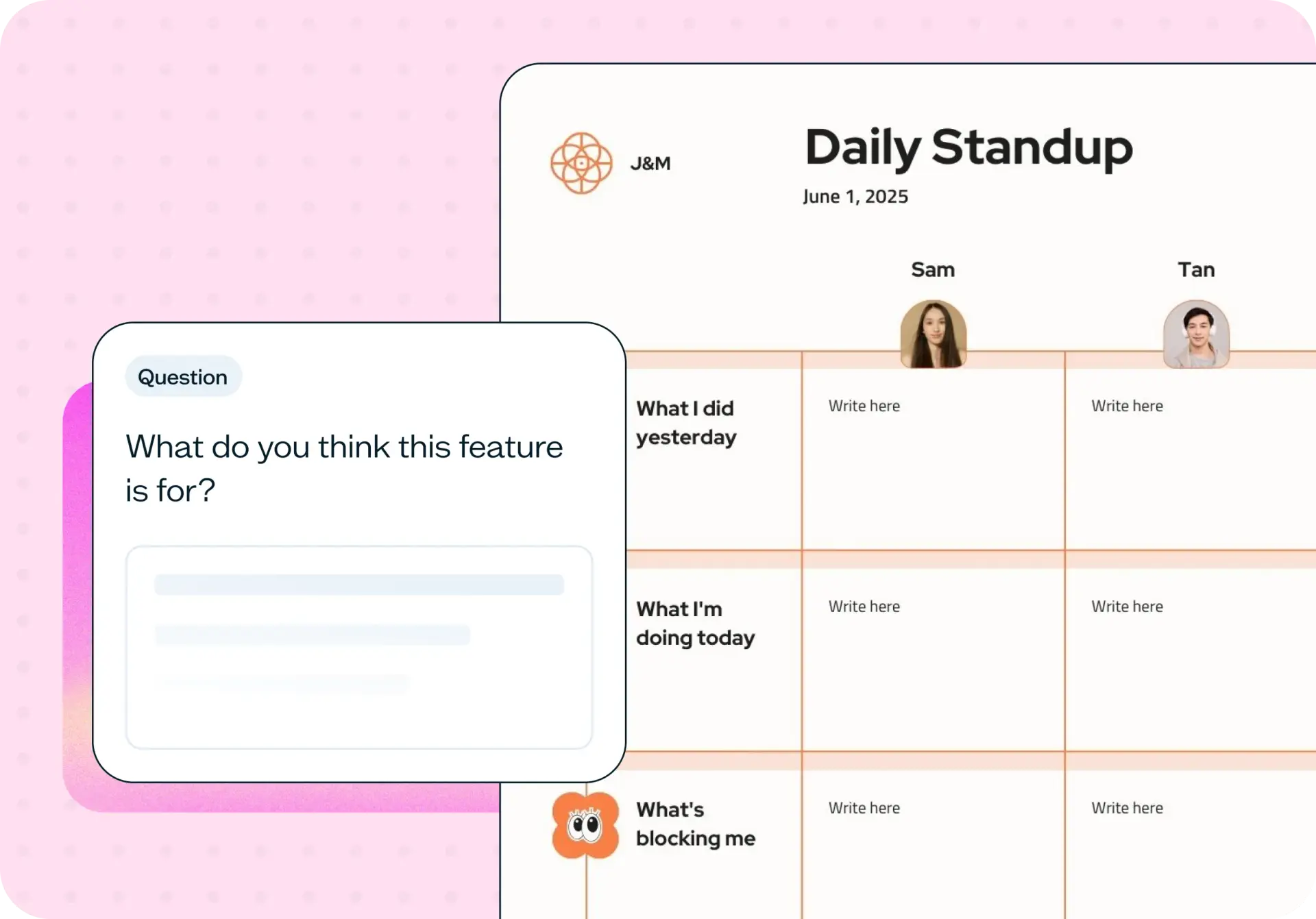
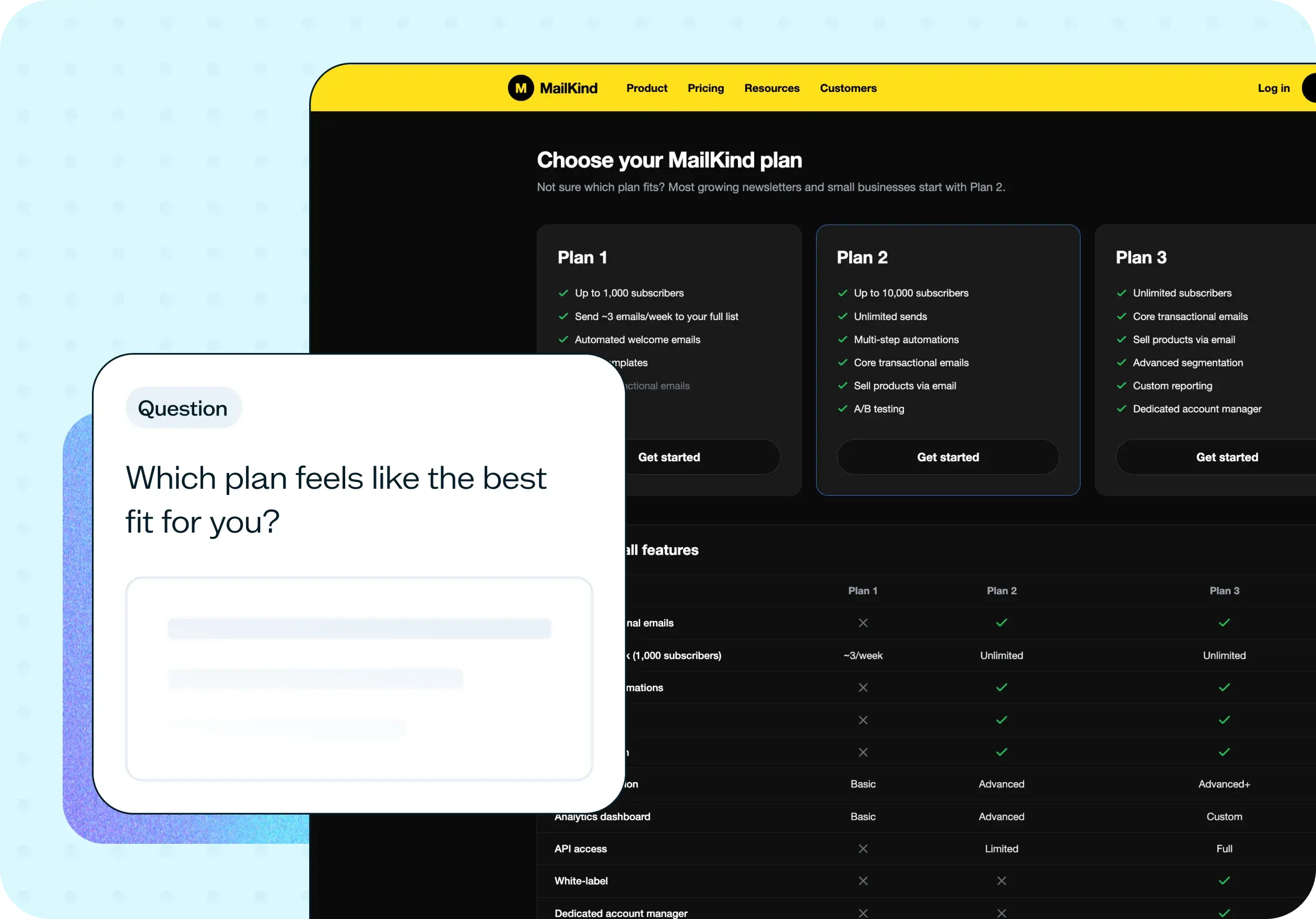
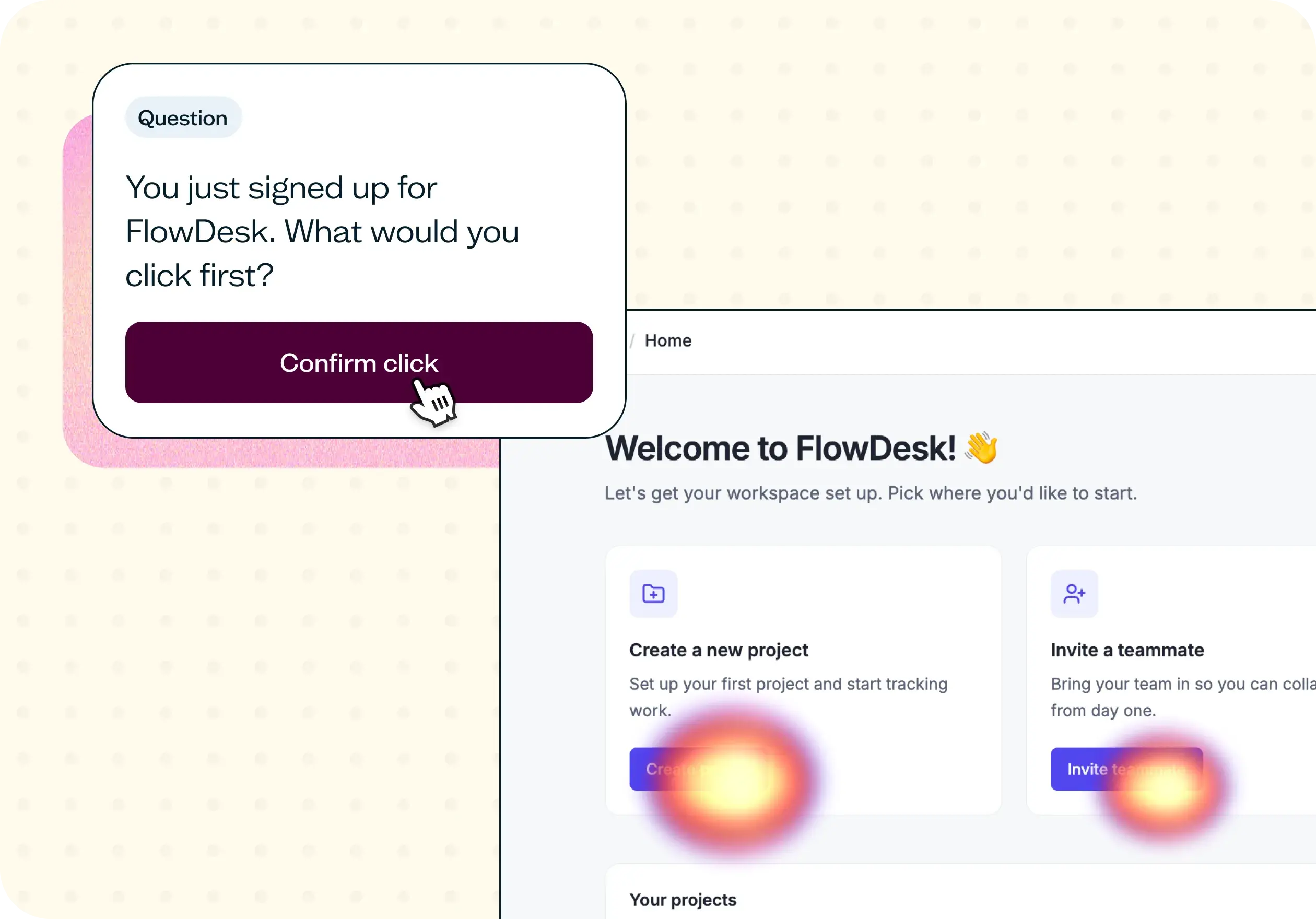
Concept testing is a research method that validates whether an idea resonates with real users before you invest engineering time, design resources, or stakeholder credibility in building it. This template combines five second testing and a design survey to measure appeal, clarity, and willingness to use – giving you evidence to confidently ship, iterate, or move on.
Why concept testing belongs before the sprint kickoff
Most product launches that underperform aren't engineering failures. They're validation failures. The concept made sense internally, the team agreed it was worth building, and no one paused to ask the people who would actually use it.
That gap between internal conviction and audience demand is where concept testing fits. Running a concept test before a feature enters the backlog is the cheapest way to catch weak ideas, because the cost of killing a concept on paper is a fraction of the cost of shipping something nobody wants.
Stakeholder consensus is valuable, but it's not customer evidence. When two product managers disagree about which direction to take, the debate usually defaults to whoever argues loudest or holds the most seniority. Concept testing replaces those opinion-based standoffs with comparable scores across appeal, clarity, and intent, so the team can align around what their audience actually responds to.

What this template helps you discover
This template surfaces specific, actionable signals about your concept before you commit to building it:
Whether your concept's value proposition is clear in 30 seconds, without any internal context to explain it
Which message or framing resonates most with your audience, and which version is forgotten immediately
The audience segments that respond to the concept, and the segments that don't connect with it
Whether stated intent ("I would use this") aligns with how participants actually describe the concept in their own words
Where the concept needs to be reframed, simplified, or reconsidered entirely
What you'll test
Concept testing measures multiple dimensions of how your audience responds to an idea. This template covers four core areas that together give you enough signal to make a confident decision.
Appeal and emotional response
Appeal measures whether your concept sparks interest at first exposure. Does it resonate, surprise, or fall flat when someone reads it for the first time? You'll also see which audience segments lean in and which disengage, helping you identify who to lead with when you position the concept.
Clarity and comprehension
A concept can be genuinely useful and still fail because people can't describe what it does. This section tests whether participants can articulate the concept back in their own words. Where their language diverges from yours, you'll find the gaps in your framing that need to be closed before launch.
Willingness to use or pay
Interest is not the same as intent. This section measures whether participants would actually use the feature in their day-to-day workflow. For paid concepts, you can also gauge whether willingness to pay meets the threshold your business model requires.
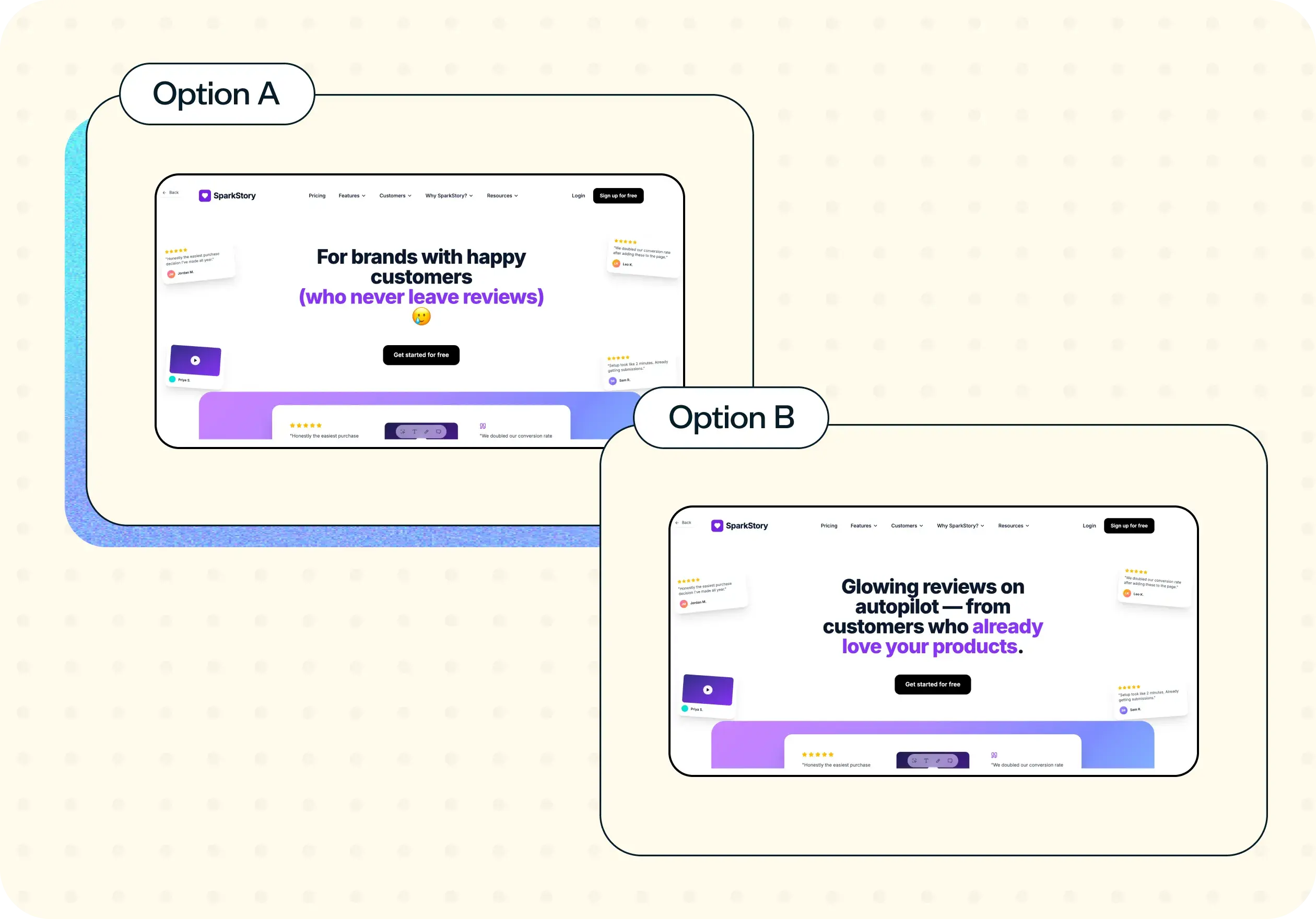
Comparative preference
When you're deciding between two competing concepts, this section identifies which one wins on appeal and clarity. It also reveals whether the two options are genuinely different from a user's perspective, or whether they're solving the same problem in ways your audience can't distinguish.
How to use this template
Setting up your concept test in Lyssna takes just a few minutes:
Click "Use this template" and log in to your Lyssna account. If you don't have an account yet, you can get started with a free plan.
Add your concept stimulus. Upload a description, mockup, or image of the concept you want to test. The format should match the decision you need to make: a copy concept needs only words, while a visual concept benefits from a mockup or screenshot.
Customize the questions to fit your concept. The template includes pre-written questions covering appeal, clarity, and willingness to use. Adjust the wording to reflect your specific concept and the language your audience uses.
Recruit participants and launch your test. Use the Lyssna research panel to recruit from your target audience, or share the test link with your own participants. Set your test live and collect responses.
Review your results and decide. Look at the patterns across appeal, clarity, and intent scores. Identify where participants struggled to understand the concept or where enthusiasm was highest, and use those signals to inform your next move.
When to use this template
Concept testing is most valuable at decision points in the product development process where building the wrong thing would waste significant time or resources. Use this template in these situations:
Before adding a concept to the product roadmap, to validate demand before committing engineering effort
During quarterly planning, to compare two competing roadmap bets and let user response settle the debate
When a founder is pitching a new product idea to investors or a board, and needs evidence beyond opinion
When repositioning a feature that underperformed at launch, to test whether a new framing changes the response
Before a major pricing or packaging change tied to a new capability, to gauge willingness to pay
When the team is about to brief design and engineering on a concept and wants to validate the direction first
Example outcomes
A well-run concept test gives your team clear signals to act on. Here's what you can expect from the results:
A clear "ship," "iterate," or "kill" signal for each concept you tested, based on how participants scored it across appeal, clarity, and intent
A ranked list of concepts by appeal and clarity, with verbatim participant language you can feed directly into copywriting and positioning
Evidence you can take to stakeholders when arguing for or against a specific roadmap bet
A baseline appeal score you can re-test after iteration to measure whether your changes actually improved the concept
Audience-level breakdowns showing which segment responded most strongly, so you know who to target first
Who this template is for
This template is designed for anyone who needs to validate a product idea before resources are committed. It's particularly useful for these roles:
Product managers validating a roadmap bet before sprint planning commits engineering time
Founders pitching a new concept to investors, customers, or the board and needing evidence beyond intuition
Product designers refining the framing and positioning of a concept ahead of design work
Marketing and growth teams stress-testing messaging and positioning before a launch campaign
Engineering leads protecting their team from building the wrong thing well
FAQs about how to test a product concept or feature
You may also like these templates

Adopting Lyssna got us into the habit of asking our users questions before locking in decisions.

Ron Diorio
VP Business Development & Innovation, at The Economist