

















Research that keeps pace with enterprise complexity
Enterprise UX isn't just a bigger version of consumer UX. You're designing for users whose daily work depends on systems that are multi-role, data-heavy, and interconnected. When something doesn't work, it doesn't just frustrate users – it slows down entire teams.
Reach the right participants for complex research
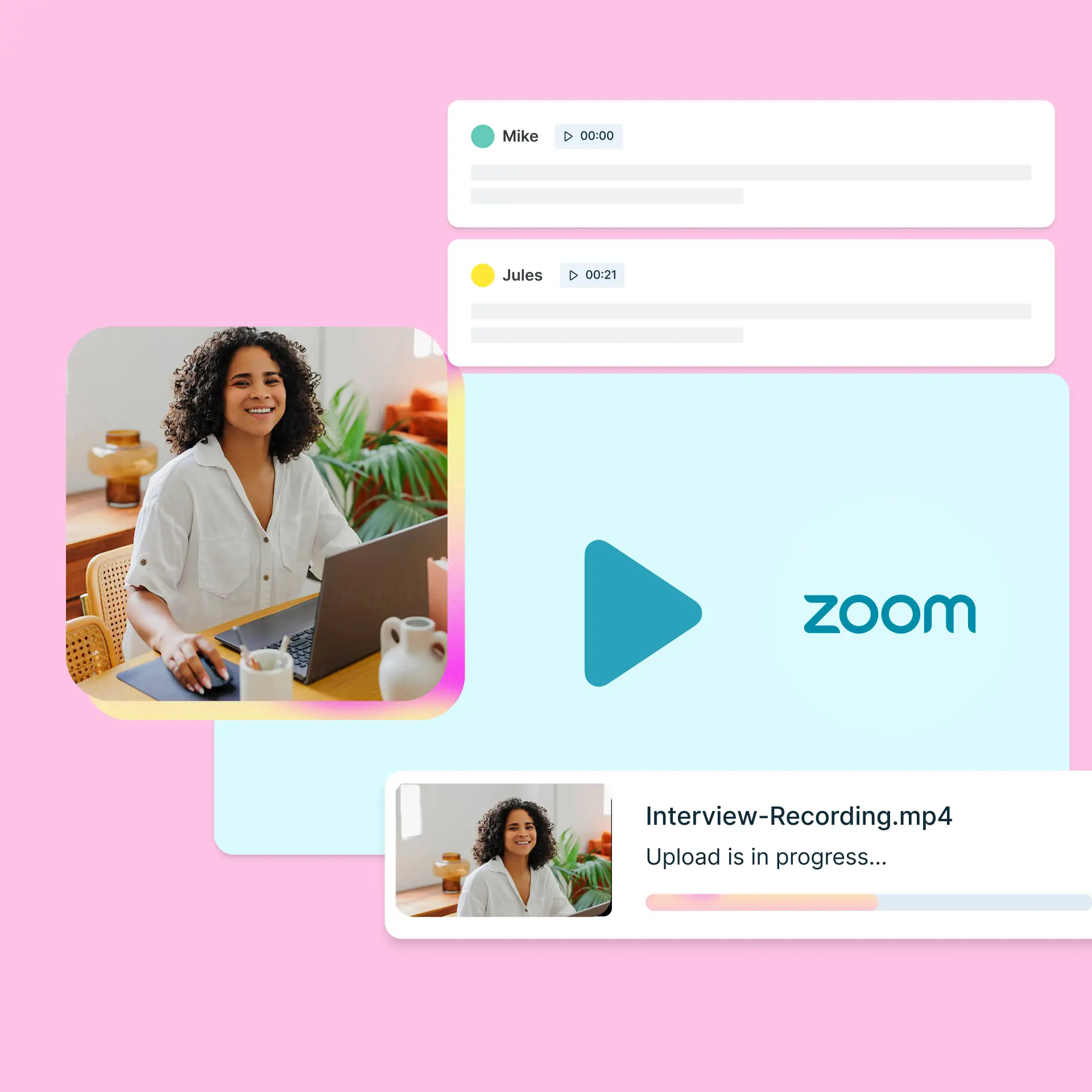
Enterprise research often means recruiting people with specific roles, workflows, or domain expertise – not a general audience. Custom screeners and demographic filters help you find exactly who you need, whether that's from a panel or from your own organization or user base.

Find specialists, not just general audiences.
Screen for role, workflow, or domain expertise.
Bring in participants from inside or outside your organization.
Understand where complex workflows break down
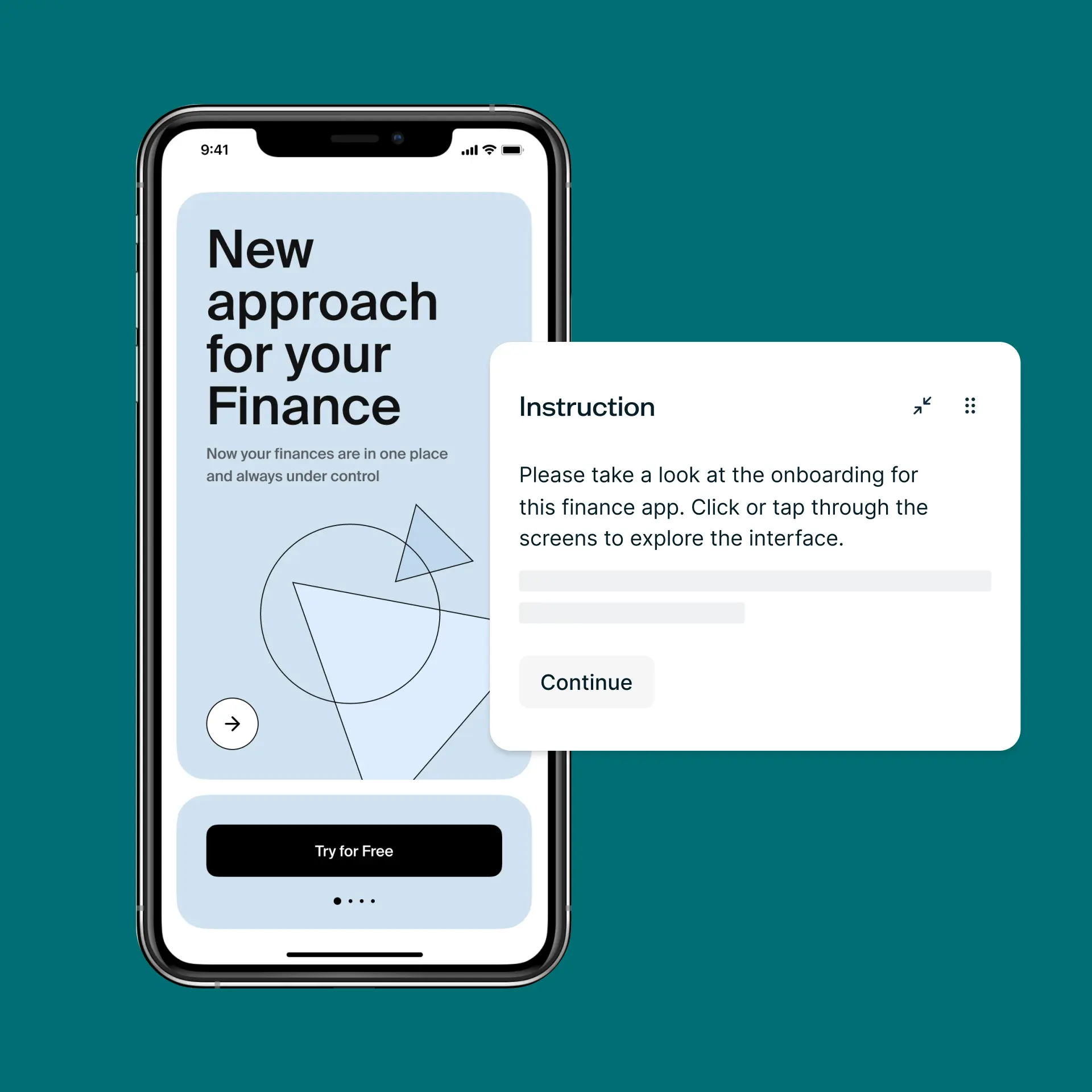
Enterprise systems are rarely about a single screen. Users move through multi-step tasks, branching decisions, and flows that span multiple interfaces – and problems often only emerge mid-journey. Surface-level feedback won't show you where things go wrong.
Go beyond first impressions to test full workflows.
Adapt studies based on how participants respond.
See exactly where users struggle in complex flows.
Keep your whole team aligned on what you're learning
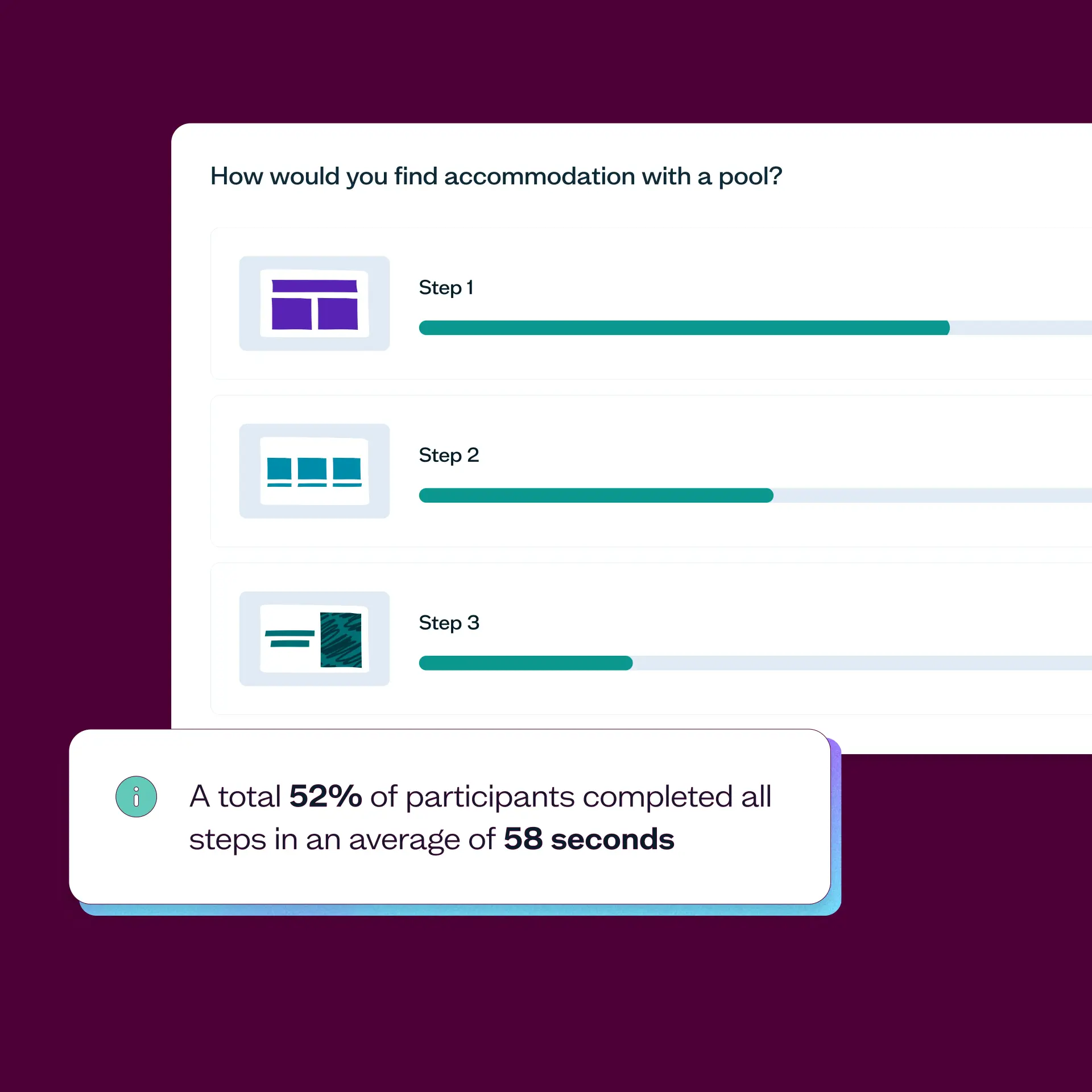
Enterprise research doesn't happen in isolation. Insights need to reach product managers, designers, engineers, and stakeholders – and they need to be easy to act on. When findings are scattered across tools and inboxes, the research stops having impact.
Centralize research so findings don't get lost between teams.
Control who can access and contribute to each project.
Track how research is being used across your organization.

Screeners gives us the ability to customize our audience to a much more granular level and therefore improves the quality of our research.

Jenn Wolf
Senior Director of Customer Experience (CX)

You may also like

ARTICLE
How to get buy-in for UX
We share seven strategies for gaining stakeholder buy-in for UX research, with expert tips and a business case template included.

ARTICLE
Top 8 Maze alternatives
Looking for Maze alternatives? Compare 8 UX research platforms on pricing, panel access, and testing methods to find the best fit for your team.

ARTICLE
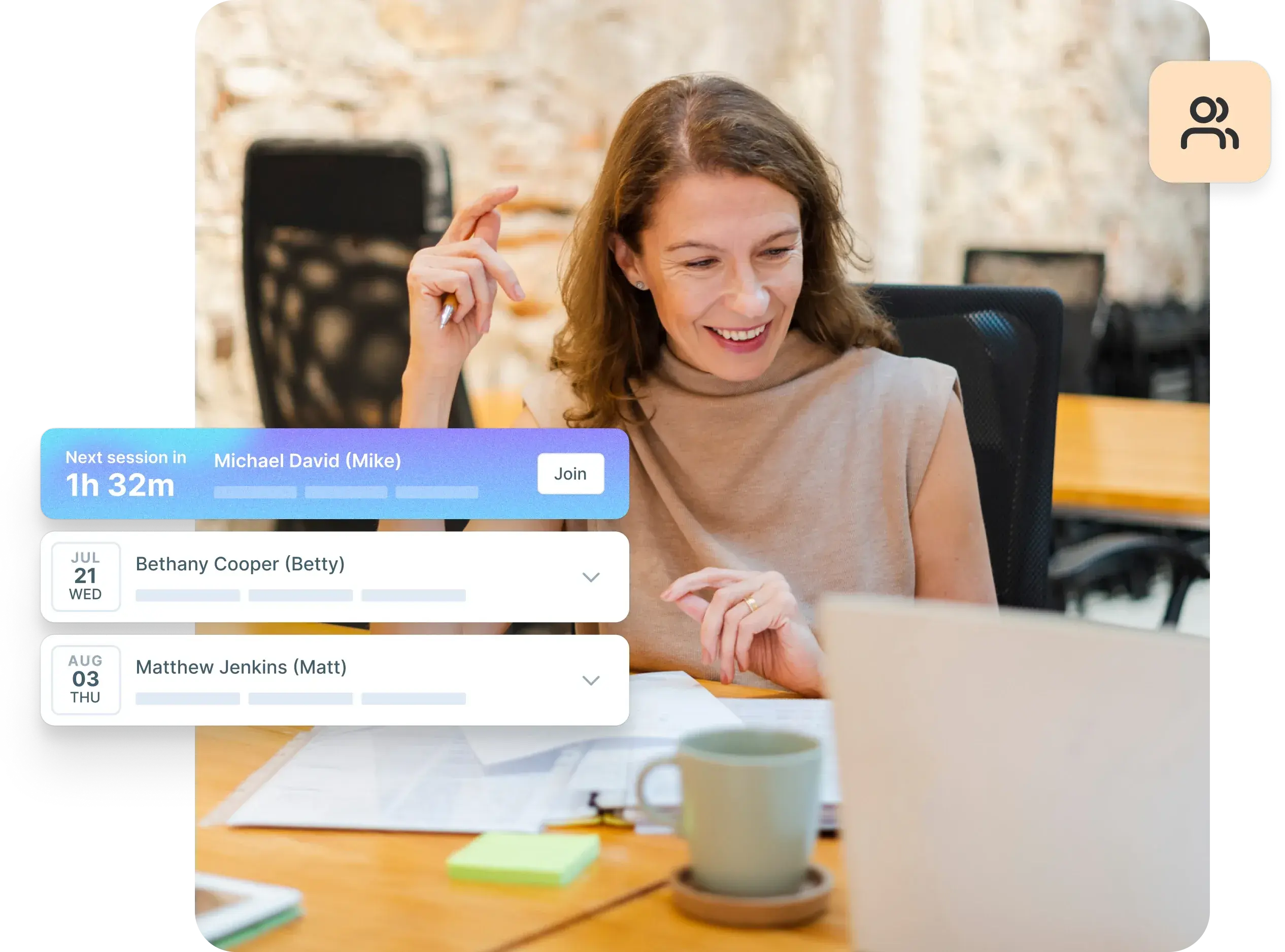
Moderated usability testing
A quick guide to understanding moderated usability testing, including the pros and cons, the methods and tools available, and the steps involved.
Frequently asked questions
Enterprise UX research is the process of understanding how employees and specialists interact with complex, business-critical software – internal tools, multi-role platforms, and workflow-heavy systems. Unlike consumer UX research, it often involves harder-to-recruit participants, multi-step tasks, and designs that need to work across different roles and departments.
Consumer UX research typically focuses on straightforward journeys and general audiences. Enterprise UX involves harder-to-recruit participants, multi-step workflows, and systems that need to work across multiple roles and departments. The stakes are also different – poor UX doesn't just frustrate users, it slows down entire teams.
It depends on what you're trying to understand. Prototype testing works well for validating complex workflows before they're built. Moderated interviews help you understand the nuances of how specialists use a system. Surveys and preference tests are useful for gathering input across a large or distributed user base.
Recruiting the right participants is often the biggest hurdle – enterprise users tend to be specialists who are harder to find and screen for. Lyssna's panel of 690,000+ people, combined with custom screeners and demographic filters, makes it easier to find exactly who you need. Beyond that, the workflows you need to test are rarely confined to a single screen, and research findings need to reach a wide range of stakeholders to have any impact.
Look for something that can handle the full research process – from recruiting specialized participants to testing complex workflows and sharing findings across teams. Security and compliance requirements (SSO, SOC 2, data agreements) are also worth checking early, as these often become blockers during procurement. Lyssna's enterprise plan is built with all of this in mind.