
Testing a video or audio script means putting the written words in front of people who match your target audience before anything gets produced, then checking two different things: whether the script actually communicates what it's about, and which specific line or tagline lands best.
This template combines a design survey (checking comprehension, interest, and open reactions to the full script) with a preference test on the exact tagline or key line you're still deciding between. You don't need a storyboard, a voice actor, or an edit. Plain text is enough, because a script is cheap to change and a shoot isn't.
The benefits of testing your script with your target audience
A script that reads clearly to the people who wrote it can still land differently with someone hearing it for the first time. Testing it with your actual target audience, before you commit to producing it, gives you:
A read on how the script is actually understood, from people who don't already know what it's supposed to say, not just people close to the brief.
A chance to catch a confusing line or an assumed concept while it's still cheap to rewrite, rather than after the shoot or recording session is booked.
Evidence to settle a debate over script direction, so the decision doesn't come down to whoever argues loudest internally.
A clear preference result on the tagline or key line you're still deciding between, backed by a statistical-significance check rather than a guess.
A safer way to adapt a script for a new market, by checking the references and assumptions land before you spend the budget to find out they don't.
It's worth testing the words before you commit to producing them.

This template will help you discover
Running this template surfaces four things about your script that a read-through in a meeting can't tell you:
Whether people understand what's being offered
A direct comprehension check asks participants what product or service the script is actually about. If a meaningful share picks the wrong answer, or "other," that's a clarity problem no amount of clever copy fixes.
Whether it makes them want to learn more
A linear-scale question asks how likely participants are to consider finding out more about the service after hearing the script. It's a stated-interest signal that sits above simple comprehension.
What they like and don't like, in their own words
Two open-text questions ask participants what they liked and what they disliked about the script, so you get specific, actionable reactions rather than a single clarity score.
Which line wins, and why
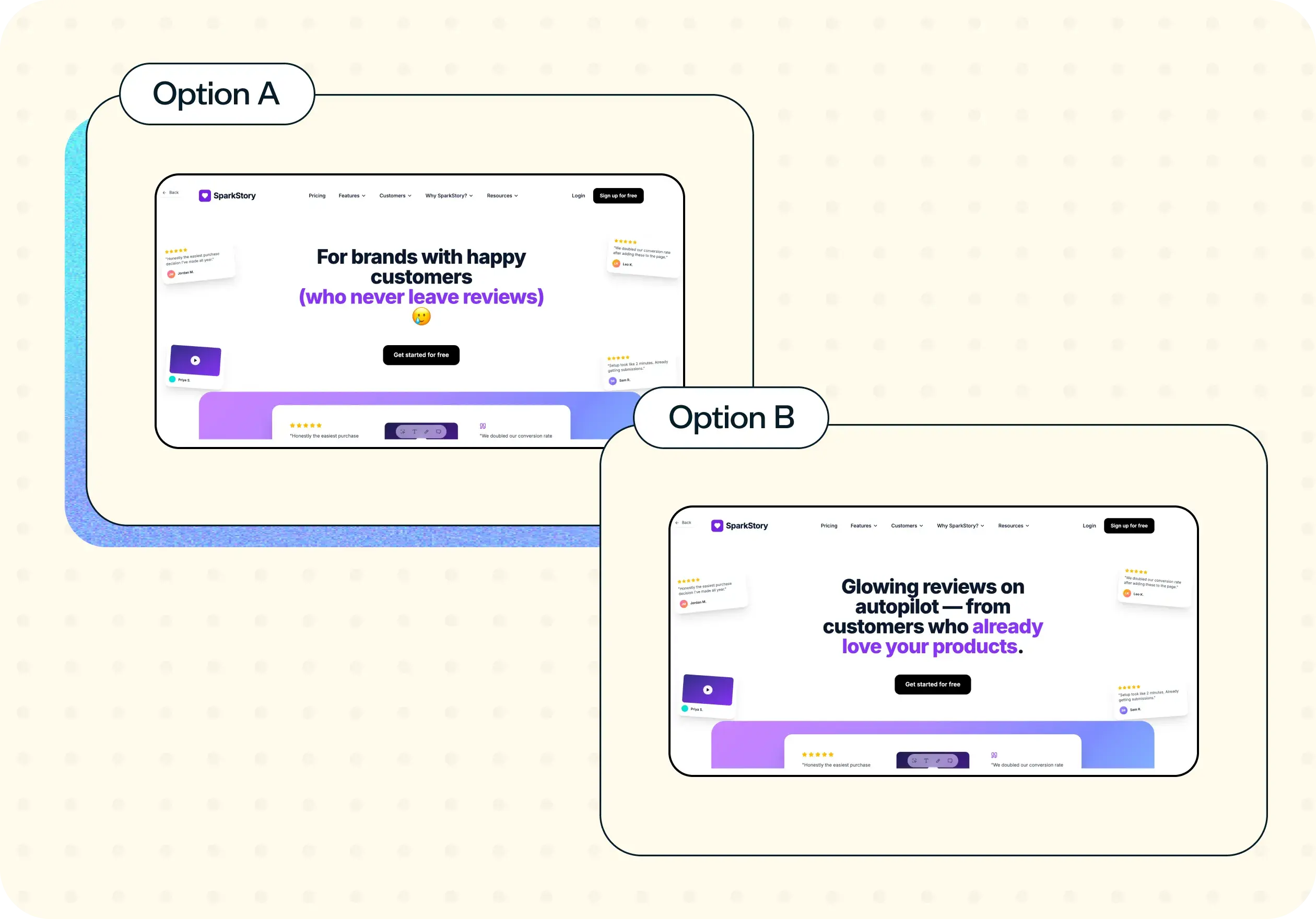
A separate preference test asks participants to choose between two versions of a tagline or key line from the script, flags automatically when the lead isn't statistically significant, and asks why they chose the one they did.
What you'll test
You'll test your script in two parts. First, the script as a whole, submitted as plain text and shown to participants as they answer questions about what it's saying and how it makes them feel. Second, a specific tagline or key line you're still deciding between. It's the phrase carrying the most weight in the script, tested head-to-head as a preference question. No storyboard, no voice actor, no rough edit. None of it is needed to find out whether the words work, which is the point: a script is cheap to change, and every production asset you build around it before testing raises the cost of changing your mind.
There's a practical limit worth knowing. A script long enough to fatigue a reader partway through will produce a weaker signal, because you're measuring reading fatigue as much as the script itself. Rather than submitting a full five-minute script, test the opening and the key message. These are the parts that do the most work in deciding whether the rest gets watched or heard at all.
How the research works
This template pairs two research methods, each designed to test a different aspect of your script.
Design survey
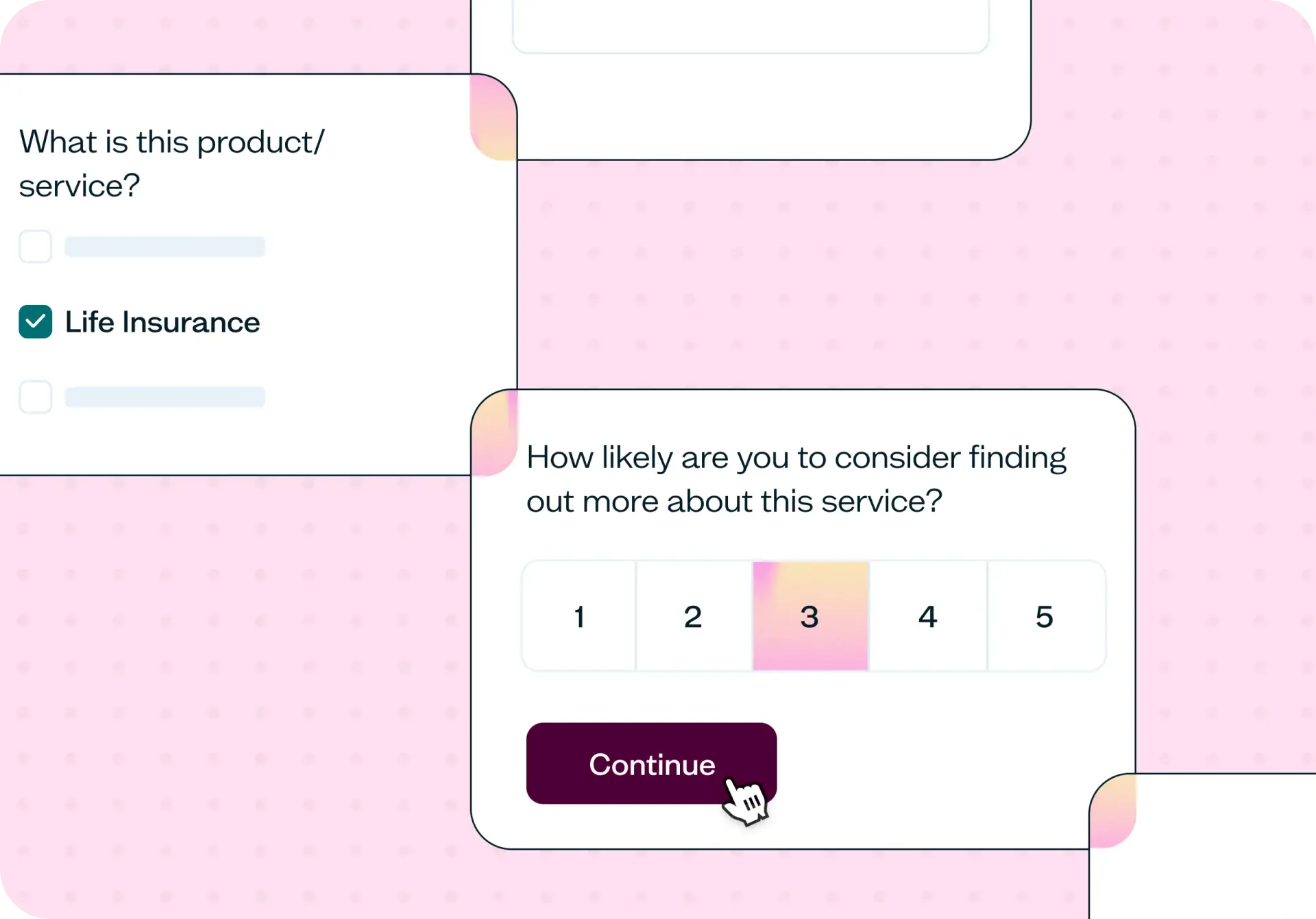
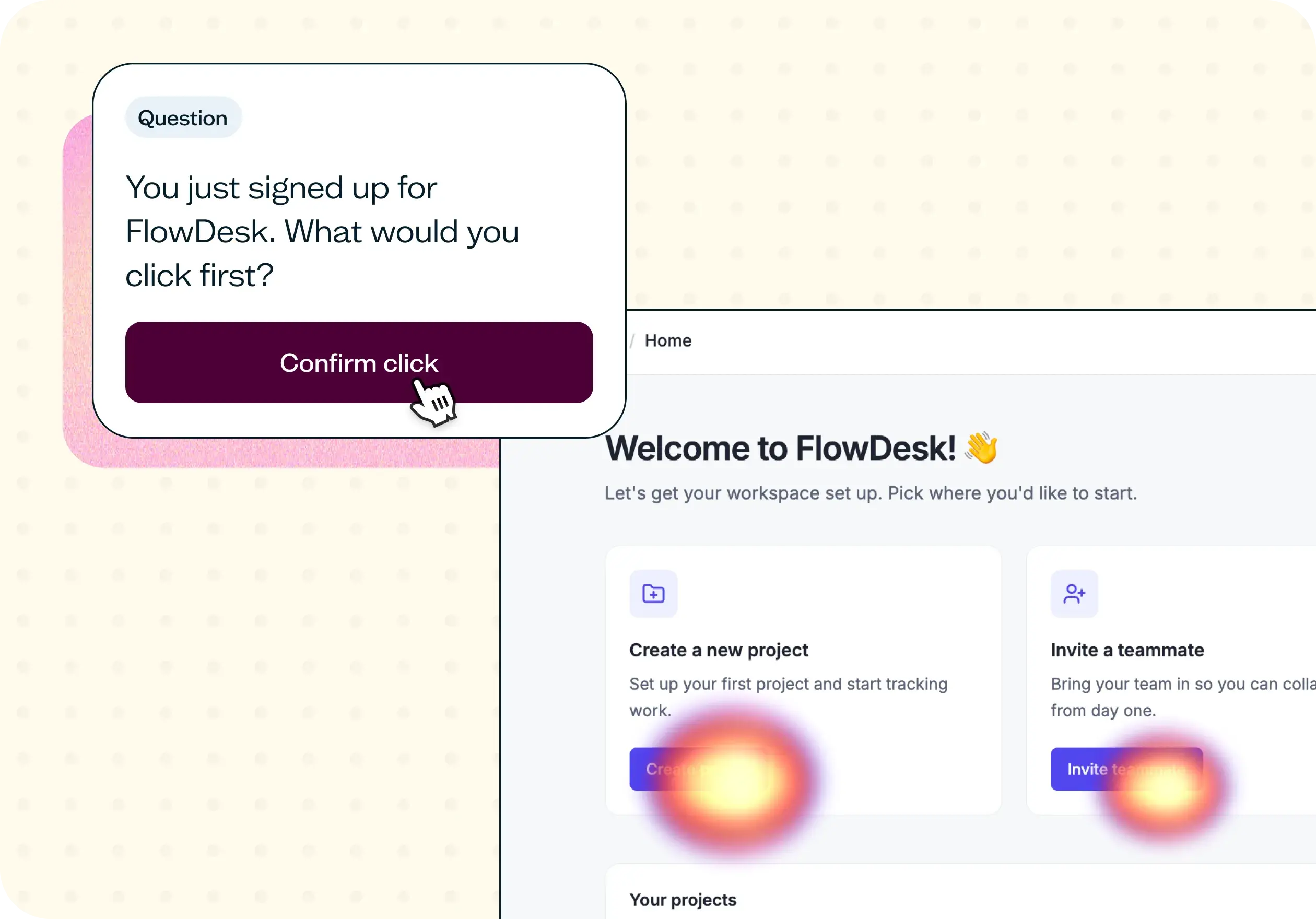
This template runs the full script as a design survey: participants see the script text, then answer questions with it still in view. A multi-select question checks whether they correctly identify the product or service the script is about; a linear scale asks how likely they'd be to consider finding out more; and two open-text questions ask what they liked and disliked, in their own words. Optional profiling questions (industry, job title) let you segment the result by who's answering.
Preference test
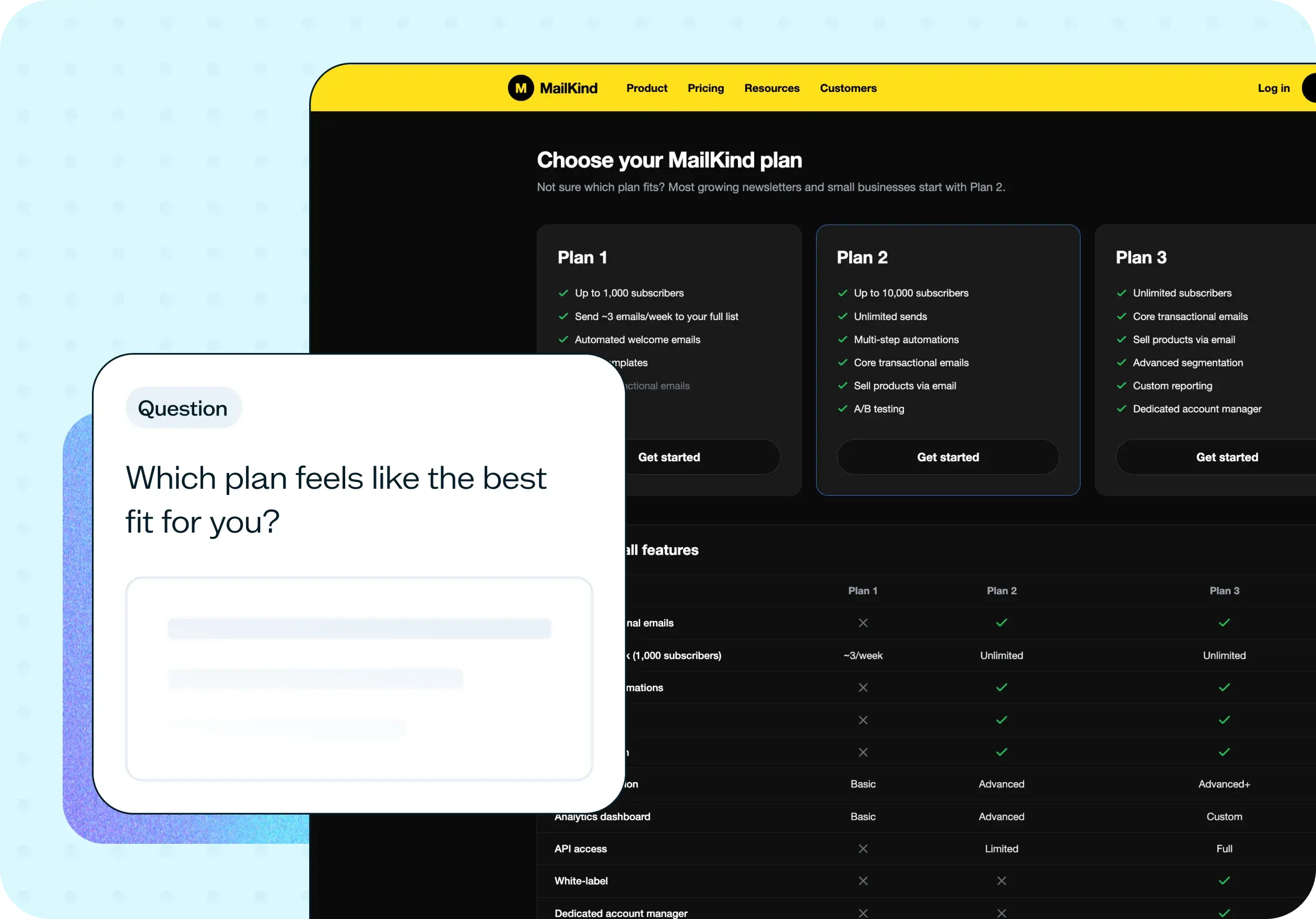
Alongside the design survey, this template runs a preference test on the tagline or key line from the script you're deciding between. Participants choose the version they prefer, then explain why in their own words. Lyssna also flags automatically when a lead isn't statistically significant, so a narrow split doesn't get mistaken for a clear winner. See our guide to preference testing for more on how the method works.
Video and audio scripts fail in different ways, so the comprehension questions matter differently depending on which you're testing. An audio script has no visual support – the words carry the entire message, so getting the product or service question right matters more than it would for a script that has images to lean on. For a video script, describe what will be on screen at each point, or participants will judge the words in a vacuum and give you a misleading read on a line that was only ever meant to work alongside a visual.
It's worth being clear-eyed about scope, too. This measures how people respond to a script as read. It doesn't measure how they'll respond to the finished production, where performance, pacing, music, and the edit all shape the result. A script that tests well can still be let down in production, and a script that tests roughly can often be fixed with a small rewrite rather than reshot.
How to use this template
Add your script. Paste in the full script as plain text for the design survey, and the two tagline or key-line versions you're deciding between for the preference test. Start exploring with a free plan.
Add your questions. Use the built-in comprehension, interest, and open-text questions for the design survey, and a reasoning question for the preference test. Adjust either set for your specific script.
Launch to your audience. Recruit from your own network or use the Lyssna research panel to reach participants who match your target audience.
Review the results. Check comprehension and interest alongside the open-text reactions, then see which tagline won, whether it's statistically significant, and why.
When to use this template
Use this template before booking a shoot or a recording session, while a rewrite is still cheap and nobody's calendar is committed yet. It's just as useful when you're choosing between two or more script directions internally and want a decision based on audience response rather than opinion in the room.
Reach for it, too, when you're adapting a script for a new market and can't be sure the same references and assumptions will land, or when the concept at the center of the script relies on knowledge your audience may not have. And use it before committing to a campaign narrative more broadly: a script that's about to anchor months of creative work is worth testing on its own merits first.
Who this template is for
This template is built for anyone accountable for a script before it goes into production.
Marketers use it to pressure-test a campaign message before the budget is locked in.
Brand and creative teams use it to check that a script's message and appeal hold up once it's left the room it was written in.
Copywriters use it to get a straight, unfiltered read on lines they're too close to judge alone.
Founders producing their own video content use it to get an outside opinion before they spend a day filming something that might not land.
FAQs about how to test video and audio scripts
You may also like these templates

We use Lyssna tests to help us make decisions for various projects. From web and mobile design to marketing activities.

Luther Lowe
VP Public Policy & Gov. Affairs at Yelp