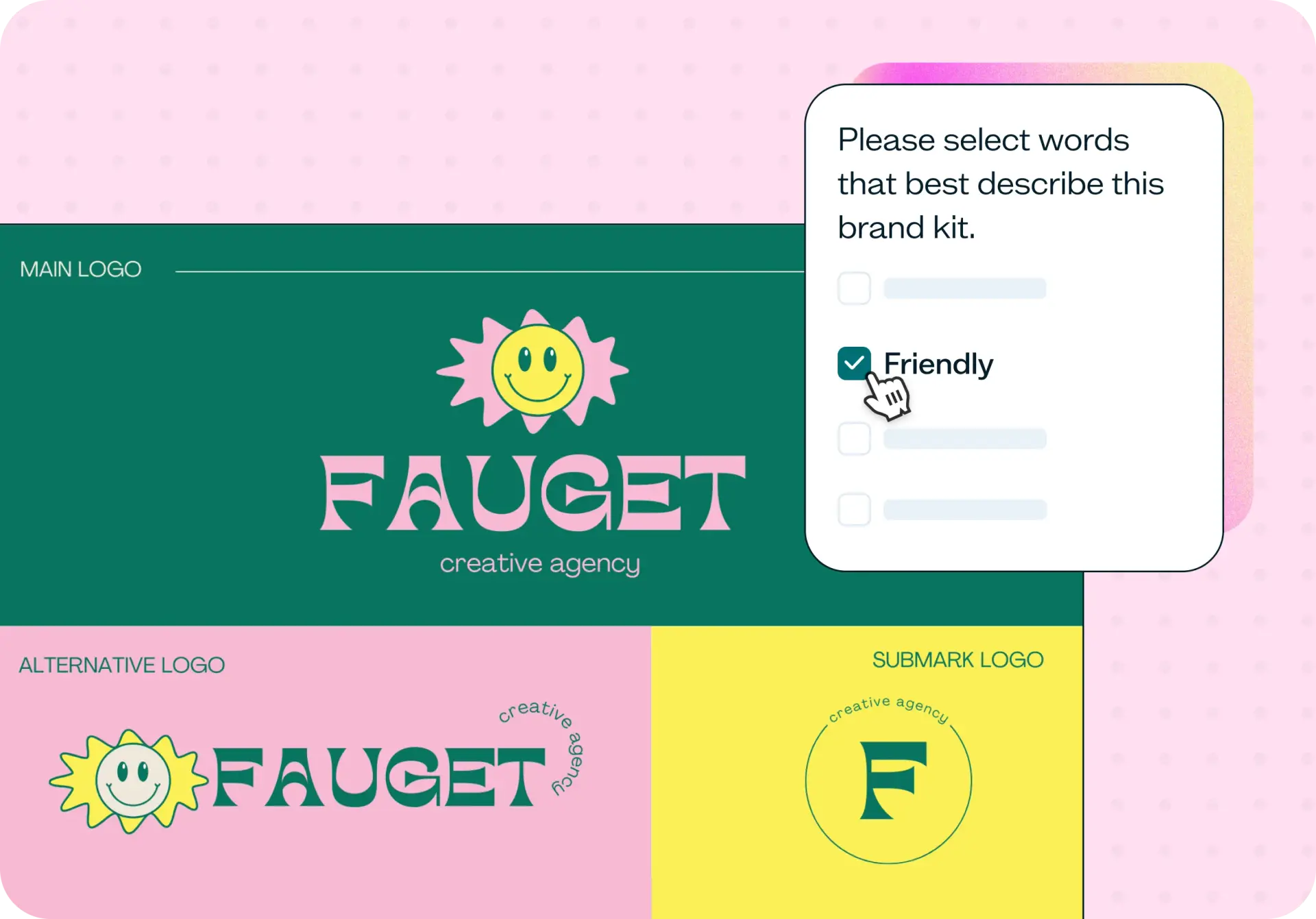

A new logo or rebrand usually gets signed off by people who've stared at it for six weeks straight, which is exactly why their gut reaction can't tell you how it lands with anyone else. A brand perception survey fixes that: instead of asking people to rate your design on a scale nobody can act on, it uses a word-association method called the Microsoft Product Reaction Cards to find out what your design actually makes people feel. This template shows you how to build the word list, run the survey, and read the results, so you know whether your brand's visual appeal is landing the way you intended.
The problem with untested branding
Without a structured way to measure perception, brand decisions tend to rely on internal opinion rather than evidence. Here are a few signs that pattern might be playing out:
Your team can describe the feeling you're going for but has never checked whether it actually lands.
Design reviews come down to personal taste, with no shared evidence to settle the disagreement.
You're mid-rebrand with no measurement of the current brand to compare against.
Stakeholders disagree about which direction feels more premium, more trustworthy, or more modern.
You've got a rating out of five and no idea what it means for what to change next.

This template will help you discover
Run a brand perception survey and you'll walk away with more than an average score. You'll have language you can act on.
Their opinion in their own words
Alongside the word picks, a short open-ended question asks participants for their overall opinion of the design. That's where nuance the word list can't capture (a comment about color, mood, or tone) usually shows up.
The words people associate with it
The most frequently picked words are the immediate impression your design creates, unprompted and unfiltered by what you hoped to hear.
Whether that matches the brief
You can compare the words participants picked against the words in your original brief to see how closely intended and actual perception line up.
Where the gap is
When the picked words don't match the brief, they're specific enough to act on. If participants keep choosing "dated" instead of "innovative," you know exactly what to fix and what to test again once you have.
What you'll test
You can run a brand perception survey against almost any design asset: a logo, a full brand system, a key visual, or a landing page. Whatever you choose, it's tested against a tailored list of 15 to 25 words drawn from the Product Reaction Cards master list.
The word list matters as much as the design itself. Keep the same positive-to-negative balance as the original Microsoft list, and tailor the individual words to the asset you're testing. A logo test and a landing page test won't need identical vocabulary. A list built only from words you're hoping to hear produces a result you can't trust, because participants will always have somewhere flattering to land. A balanced list is what makes the words participants pick actually mean something.
Alongside the word list, a short open-ended question asks participants for their overall opinion of the design in their own words – the qualitative half of the result, next to the word frequencies.
How the research works
A brand perception survey combines word-association data with open-ended feedback to show you both what people feel and why they feel it. Here's what each part of the process looks like.
Design survey
A brand perception survey runs as a design survey: participants see your design and your word list side by side, then pick up to five words without any other prompting. A short open-text question follows, asking for their overall opinion of the design. You can recruit your own network, or draw participants from Lyssna's research panel of 690,000+ participants across 124 countries with 395+ targeting options, so you're testing with people who actually match your target audience rather than whoever happens to be in the office.
Reading the results
You don't need statistical training to read the results. The most-picked words are the output. Line them up against your brief: if "trustworthy" and "modern" top the list and that's what you set out to achieve, your design is landing. If "generic" or "dated" outrank them, you have the specific gap to close. Read the open-text answers alongside the word frequencies, too. They're often where a specific reaction, like a color pairing that reads dated or a shape that feels too playful for the brand, gets spelled out in a way no single word on the list quite captures.
The same word list also gives you a before-and-after read. Run it against a previous version of the brand alongside the new one, and you can see the direction of travel in the words themselves, not just a felt sense that things have improved.
As a rule of thumb, five words picked per participant across 25 participants gives you a usable frequency distribution. That's enough signal to see which words are genuinely rising to the top rather than reflecting one or two people's preference. For more on the method's boundaries, MeasuringU has a good practitioner breakdown of where it's strong and where it isn't.
How to use this template
Start exploring with a free plan. Sign up for a free Lyssna plan to access the template and start building your brand perception survey right away.
Build your word list. Pull 15 to 25 words from the Product Reaction Cards master list and tailor them to keep a positive-to-negative balance, so your results reflect genuine reactions rather than easy compliments.
Upload your design. Add the logo, brand system, key visual, or page you want feedback on, so participants see it alongside the word list.
Set your audience. Test with your own network or recruit a matching audience from Lyssna's research panel to get reactions from people who resemble your actual users.
Launch and review. Send the survey and see which words rise to the top, alongside participants' open-ended comments on the design.
When to use this template
A brand perception survey works best whenever you need evidence, not opinion, about how a design is landing. Common moments to run one:
Mid-rebrand, to set a baseline before you change anything and repeat it afterward for a before-and-after read.
When you're choosing between two or more design directions and need more than personal taste to settle it. Pair it with preference testing if you also want a direct head-to-head vote.
Before a launch, while there's still time to adjust based on what you learn.
Whenever you need to validate that a visual system reads the way you intended to an audience outside the company, not just the people who approved it.
Beyond brand work, the same method applies to UI, ads, and marketing imagery, provided the word list is tailored to what you're testing.
Who this template is for
This template is built for anyone who needs evidence that a design decision is landing, not just a room full of confident opinions.
Brand and marketing teams validating a rebrand, campaign creative, or key visual before it goes live.
Designers who want language to back up a design direction in review, rather than defending it on instinct alone.
Founders making brand decisions without a dedicated research team, who need a fast way to check a gut call against real reactions.
Product marketers testing whether messaging and visuals are landing the way the positioning intends.
Whether you're running your first brand perception survey or repeating one you've used before on every major brand decision, the same word-association approach scales with you.
FAQs about brand perception surveys
You may also like these templates
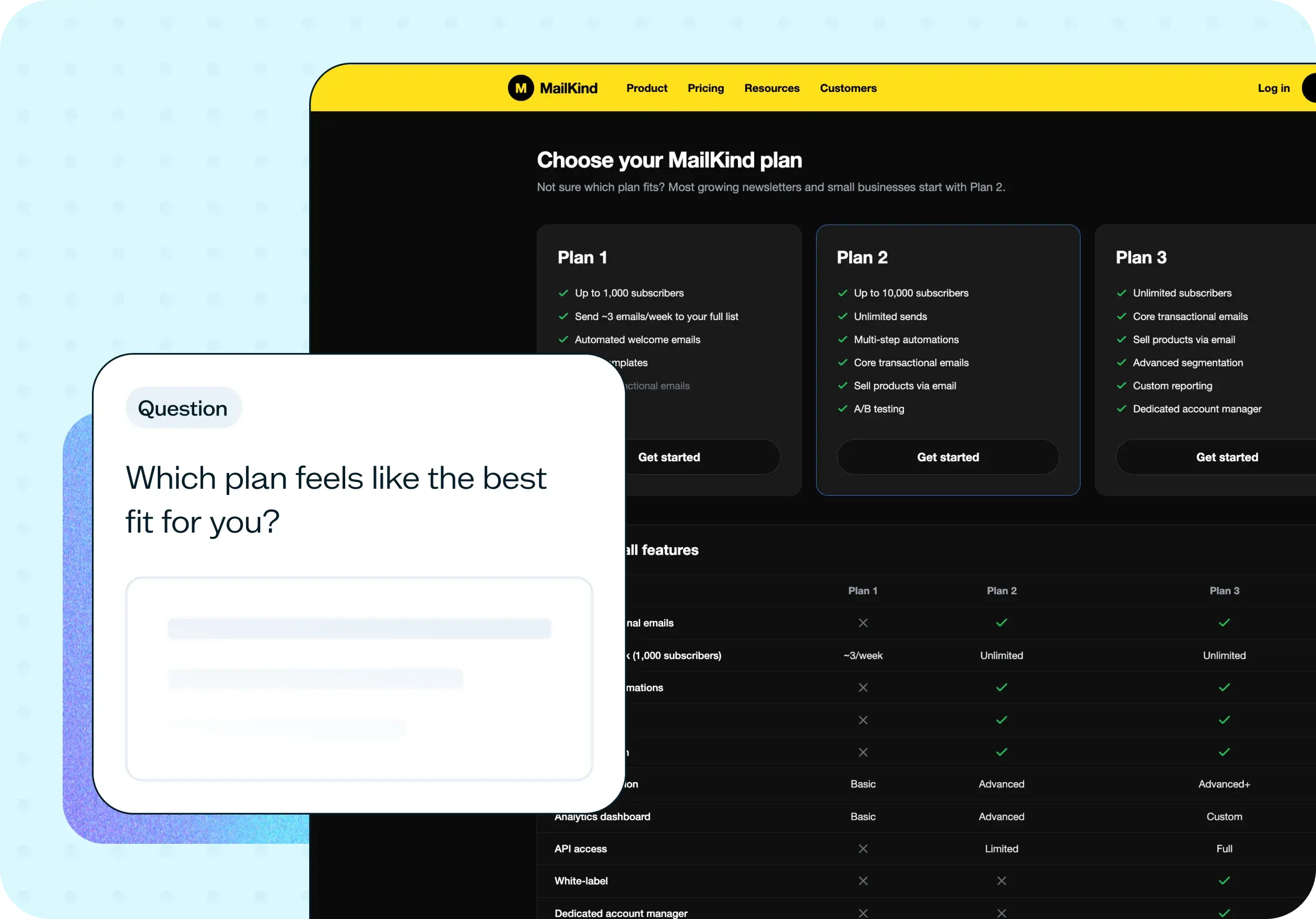
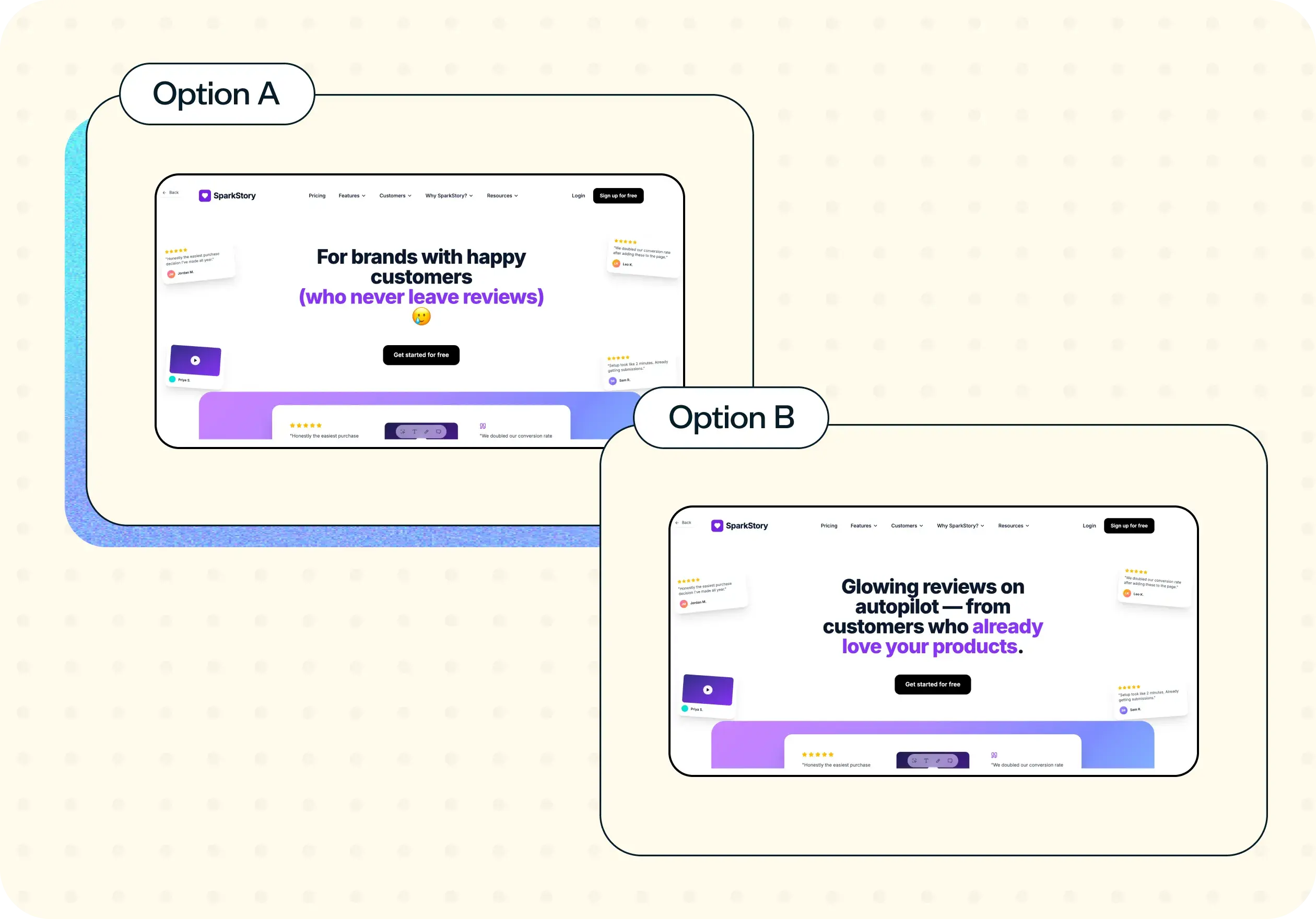
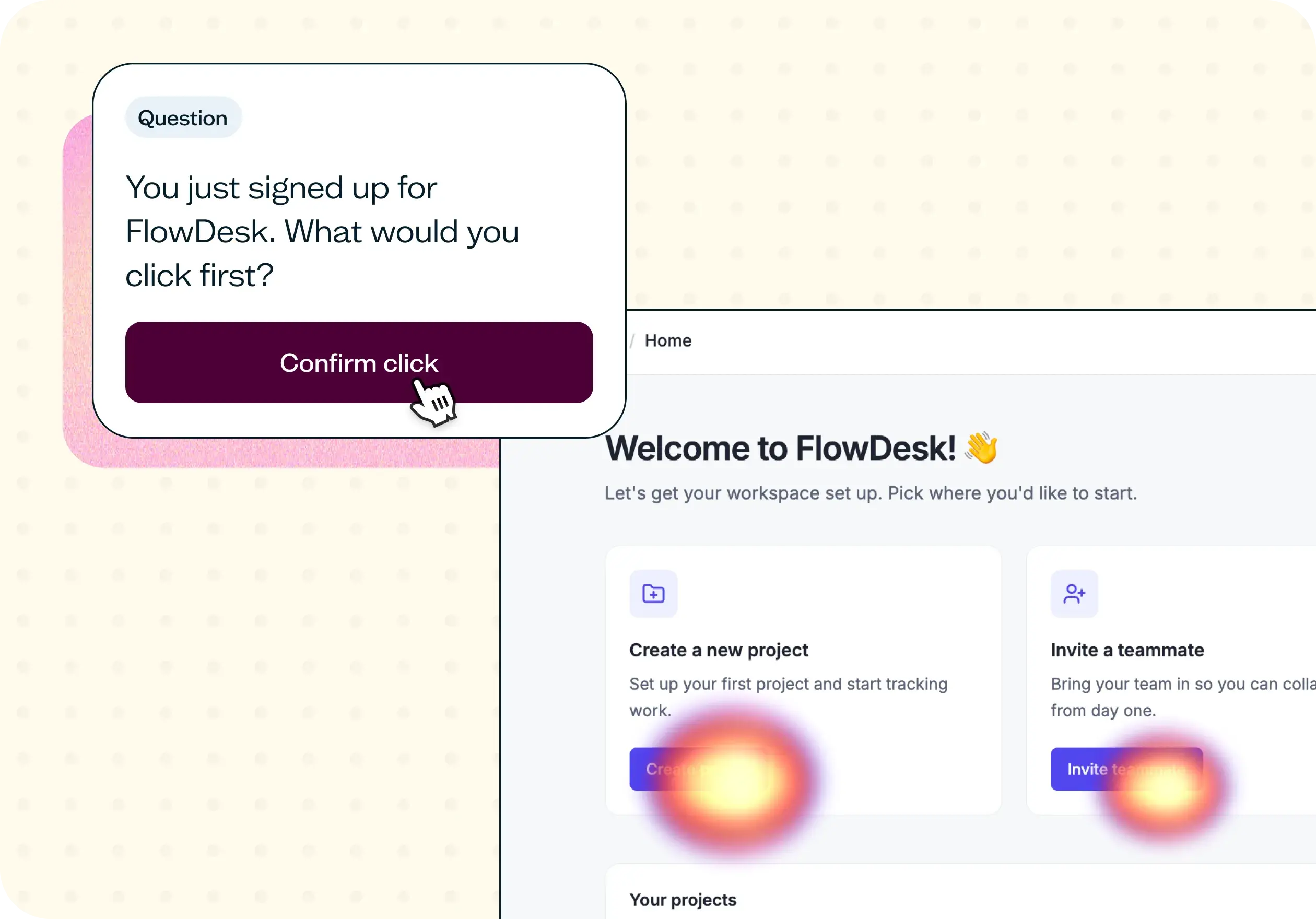

We use Lyssna tests to help us make decisions for various projects. From web and mobile design to marketing activities.
Luther Lowe
VP Public Policy & Gov. Affairs at Yelp