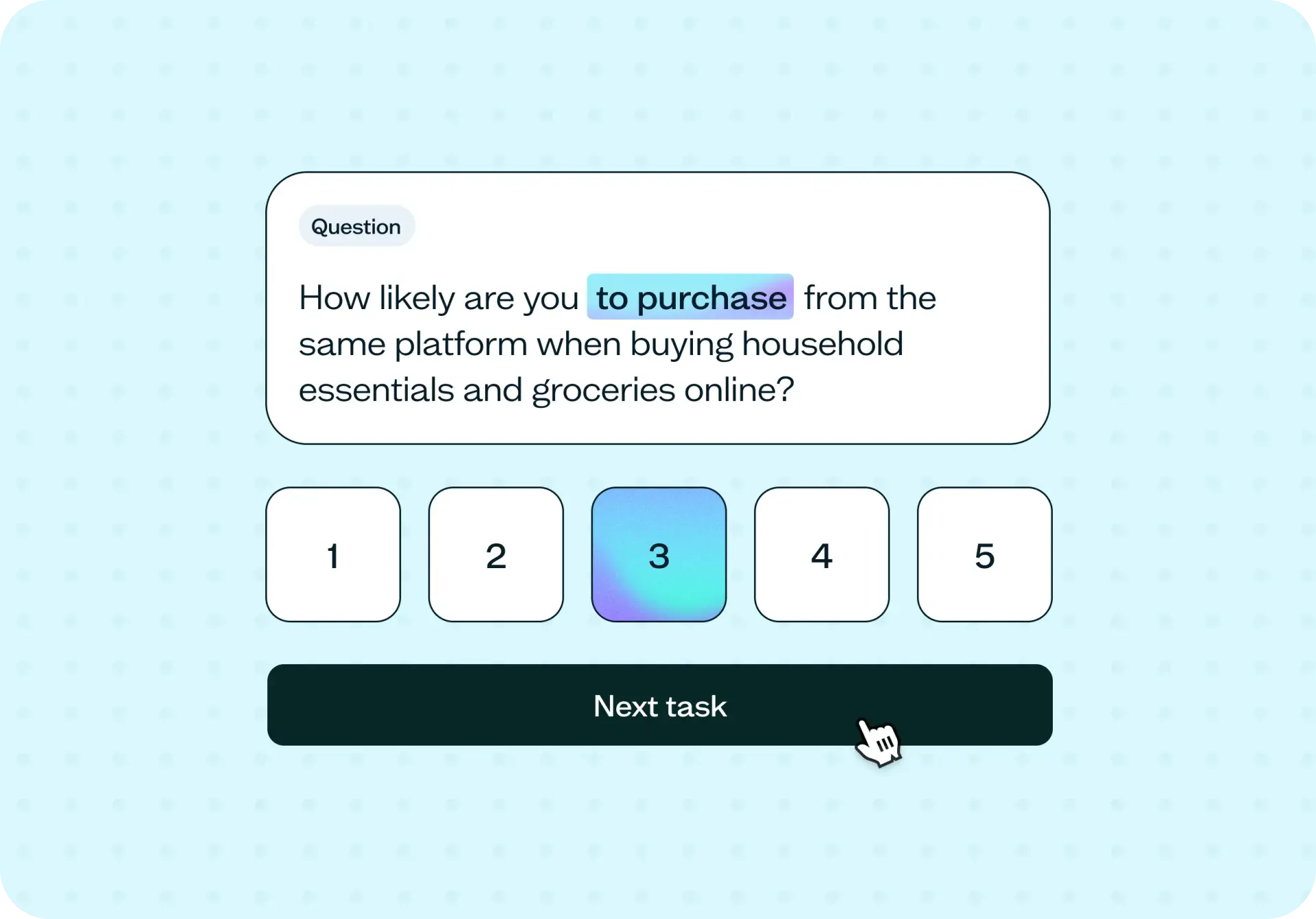

Overview
Uncover what drives your customers to buy – and what stops them. This template helps you explore purchasing motivations, comparison habits, and the trust signals that influence buying decisions at every stage of the funnel.
Why analytics alone don't explain purchase behavior
Every purchase follows a process – but most teams only see the final click.
Your analytics dashboard can tell you that users dropped off at checkout, or that a product page had a high bounce rate. What it can't tell you is why. Was the price wrong? Did they lose trust? Were they comparing you with a competitor and didn't feel confident enough to commit? Without that context, optimization becomes guesswork.
Consumer purchase behavior research and product testing fills that gap. It surfaces the motivations, triggers, and hesitations that sit behind every buying decision – the things that don't show up in click data but drive whether someone buys or walks away.
Teams that skip this kind of research often find themselves cycling through A/B tests and conversion tweaks without addressing the root cause. The assumptions they're building on – about what customers value, what they compare, what creates trust – were never validated against real buyers.
This template gives you a structured way to ask those questions directly. Whether you're working on a product launch, a pricing change, or trying to understand why cart abandonment is climbing, it puts real buyer behavior at the center of your decisions.

This template will help you discover
Understanding purchase behavior means understanding the full arc of a buying decision – from the moment a need surfaces to the moment someone commits (or doesn't). This template is built to reveal that arc:
What motivates consumers to start evaluating a purchase – the needs, triggers, and pain points that set the process in motion.
How consumers compare your product or service with alternatives, and what criteria they use to evaluate options.
Which factors most influence the final buying decision, including price, brand perception, and social proof.
What barriers prevent consumers from completing a purchase – the doubts, friction points, and unanswered questions that cause abandonment.
How pricing, trust signals, and messaging affect perceived value at the point of decision.
What you'll test
Purchase motivation
The buying process starts before a user ever lands on your site. This section helps you understand what need or problem triggered the search, what the user was hoping to find, and whether your product or service matched what they were looking for.
Comparison behavior
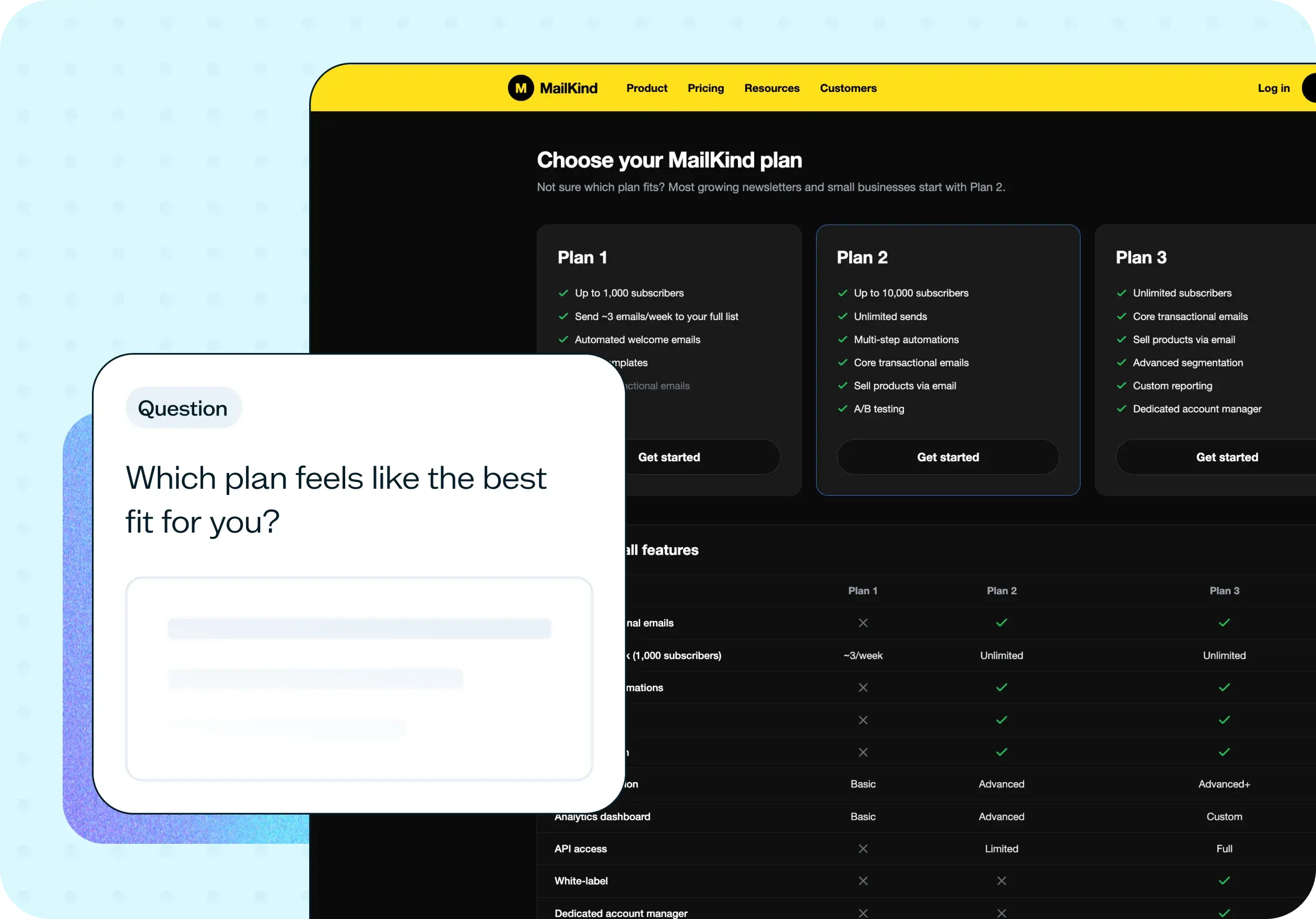
Most purchase decisions involve evaluating alternatives. This section surfaces how consumers compare options – what criteria matter most, how they weigh trade-offs, and where your product stands in that mental shortlist.
Decision triggers and barriers
Confidence is what converts. This section uncovers what makes consumers ready to buy, and what creates hesitation or abandonment. That might be a missing trust signal, an unclear return policy, an unexpected delivery cost, or simply a message that didn't land.
How the research works
This template uses a consumer research survey to collect structured data about how real buyers think, compare, and decide. Unlike behavioral analytics, which records what users do, a survey asks them to explain why – capturing the reasoning, preferences, and hesitations that sit behind every purchase decision.
Screener questions come first, filtering for the right participants before the main survey begins. The default screener targets online shopping behavior – purchase frequency, product categories, and payment habits – so you're hearing from people whose buying patterns are relevant to your research questions. Customize these to match your audience: if you need frequent buyers, subscription service users, or people who regularly compare options before committing, the screener is where you narrow your sample.
Scaled questions run through the core of the survey, asking participants to rate factors like delivery speed, brand preference, and payment flexibility on a linear scale. These give you quantitative signal across your sample – you can see at a glance which factors are pulling weight in purchase decisions and which are less influential, and compare patterns across demographic segments.
Single-select and multi-select questions surface preference and behavior data: which payment methods people actually use, whether they search for discount codes before buying, how much online reviews factor into their decision. These are the questions that reveal the practical mechanics of how your audience shops.
Scaled questions tell you how strongly consumers feel about different factors; select questions tell you what they actually do. Together, they give you a picture of purchase behavior that's both measurable and specific – grounded in real buyers, not internal assumptions.
How to use this template
Click "Use this template" and log in to your Lyssna account. Don't have an account yet? Start exploring with a free plan.
Set up your screener questions. The template includes screener questions targeting specific buying behaviors – for example, purchase frequency, product categories, and payment preferences. Customize these to match the audience you're trying to understand. If you're focused on a specific segment (frequent online shoppers, subscription service users, price-sensitive buyers), adjust the screener to filter for them.
Review and customize the survey questions. The template covers purchase motivation, comparison behavior, decision triggers, and barriers to purchase. Tailor the scenarios and product references to reflect your category. The results shows how questions surface as linear scale questions, single-select, and multi-select – giving you both quantitative and qualitative signals.
Preview your test or press save and continue to recruit your participants. You can recruit through your own network or use Lyssna's research panel to reach a targeted audience quickly.
Set your test live and collect your results. Once responses are in, you'll see breakdowns of purchasing preferences, payment methods, brand loyalty signals, and more – segmented by demographics so you can spot patterns across different buyer groups.
When to use this template
This template fits naturally into several points in the product and marketing life cycle:
When redesigning product or pricing pages and you need to understand what buyers actually value.
When cart abandonment or drop-off rates are climbing and you want qualitative context alongside your analytics.
Before launching a new product or entering a new market, to validate assumptions about buyer behavior.
When competitive analysis needs depth beyond feature comparisons.
When optimizing the purchase funnel and you need to understand which friction points matter most.
Example outcomes
Teams who run consumer purchase behavior research with this template tend to come away with:
A clearer picture of the top factors influencing purchase decisions for their specific category.
Hidden barriers to conversion that weren't visible in funnel data.
Improved product messaging grounded in real buyer language.
More effective pricing presentation based on how customers perceive value.
Stronger competitive positioning informed by how buyers actually compare alternatives.
Who this template is for
This template is designed for teams who need to understand buyers, not just track them:
Product managers optimizing conversion funnels who need to connect drop-off data to real buyer motivations.
Market researchers studying buyer behavior across segments or categories.
Ecommerce teams working to reduce cart abandonment and improve purchase completion.
Growth teams improving purchase flow and testing messaging assumptions.
UX researchers mapping the decision journey from intent to conversion.
Whether you're running your first buyer research study or adding depth to an ongoing program, this template gives you a repeatable structure to work from.
FAQs about consumer purchase behavior
You may also like these templates
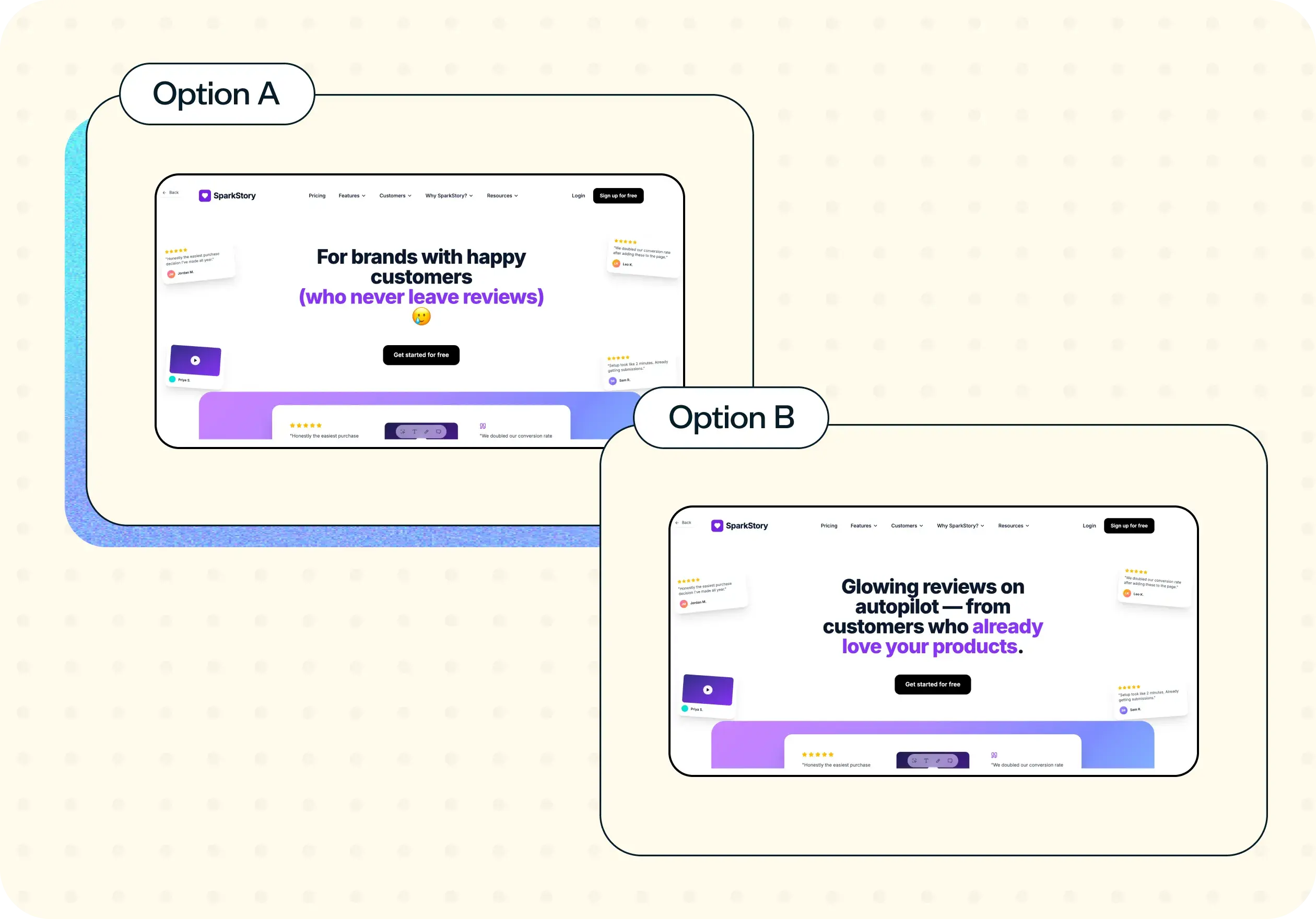
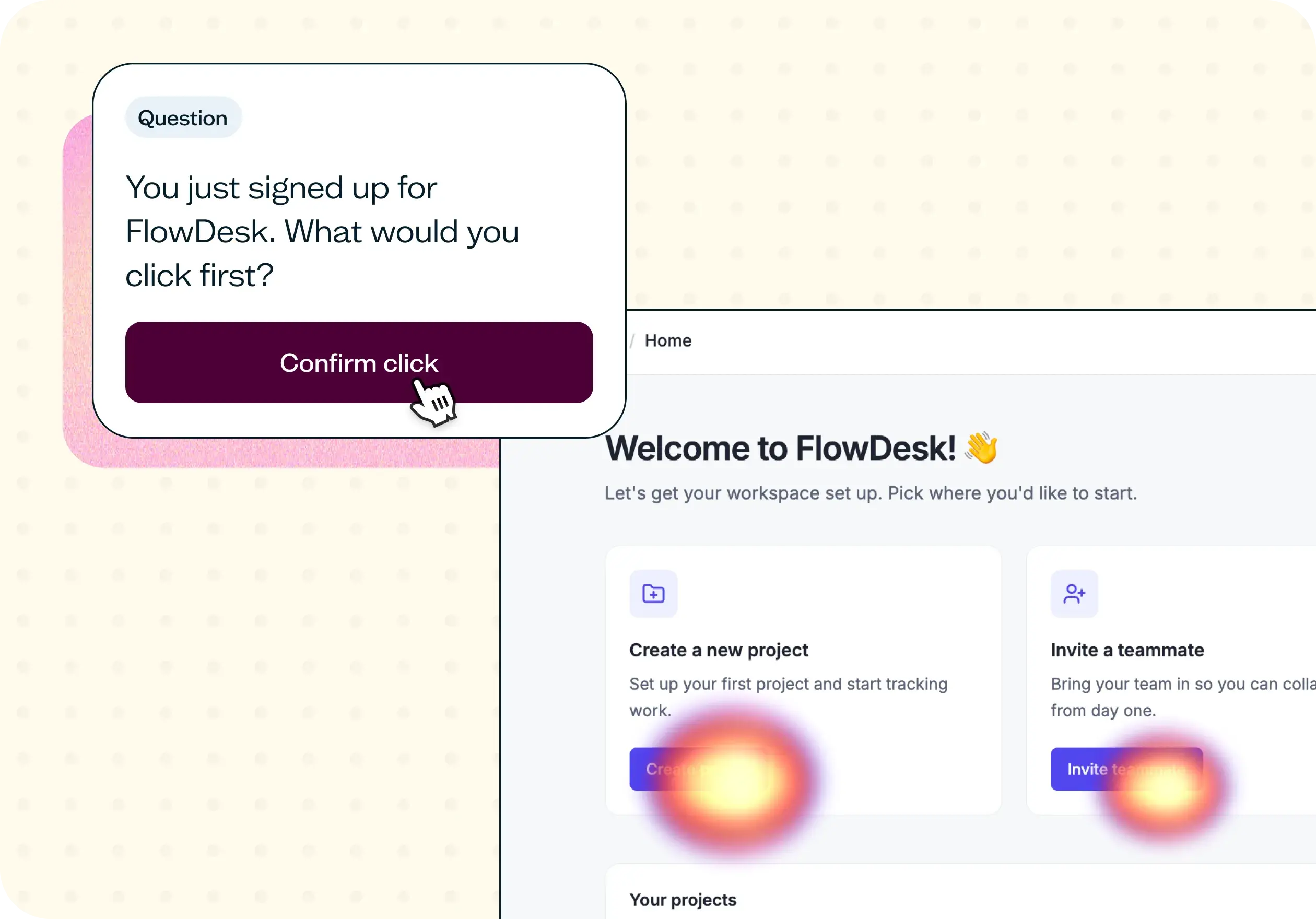

The navigation test is god's gift to UI designers. It probably has the best power-to-simplicity ratio of any software, ever.

Nick Franklin
CEO at ChartMogul