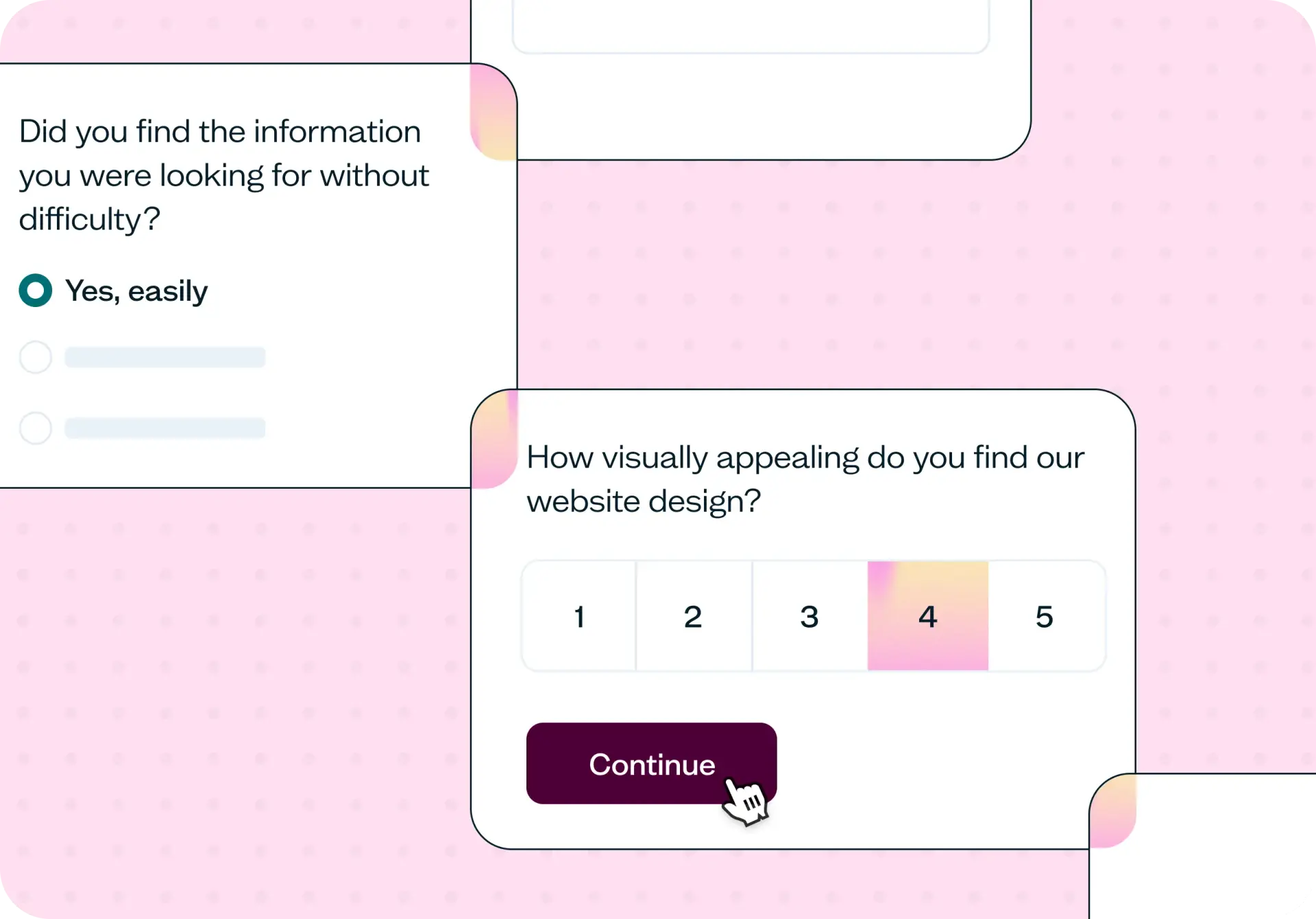

Your website might look polished and work exactly as you intended – but that doesn't mean users agree. Analytics can tell you where people drop off or which pages get the most traffic, but they can't explain why users struggle, what frustrates them, or what they expected to find.
This survey template helps you collect structured user experience feedback from real users, so you can identify friction points, understand what's working, and prioritize improvements based on evidence rather than assumptions.
The problem with traditional UX insights
Analytics tools can show you where users drop off, how long they spend on a page, or which buttons they click. What they can't tell you is why. A high bounce rate on your pricing page might mean users are confused by the options, overwhelmed by the layout, or simply not finding what they expected. Without asking users directly, you're left interpreting behavior through assumptions.
Many teams fill in the gaps with internal reviews or stakeholder opinions. But what feels intuitive to someone who built the product rarely reflects how a first-time visitor experiences it. Usability issues can go unnoticed for months when the people closest to the product aren't the ones struggling with it.
Meanwhile, users who encounter friction often leave without saying a word. They don't submit bug reports or write in to support – they just move on. The result is a growing gap between what your team thinks is working and what users actually experience.
Collecting user experience feedback directly from your audience closes that gap. It surfaces the specific pain points, confusing flows, and unmet expectations that behavioral data alone can't reveal – giving you the evidence you need to prioritize improvements with confidence.

What this template helps you discover
This template surfaces specific, actionable insights about how users experience your website:
Where users encounter friction or confusion during key tasks
Which aspects of your visual design and layout resonate – and which fall flat
Whether users can find the information they're looking for without difficulty
How users rate their overall experience and satisfaction
What specific changes and improvements users recommend
What you'll test
This survey covers three core areas of user experience, giving you a well-rounded view of how people interact with your site.
User experience satisfaction
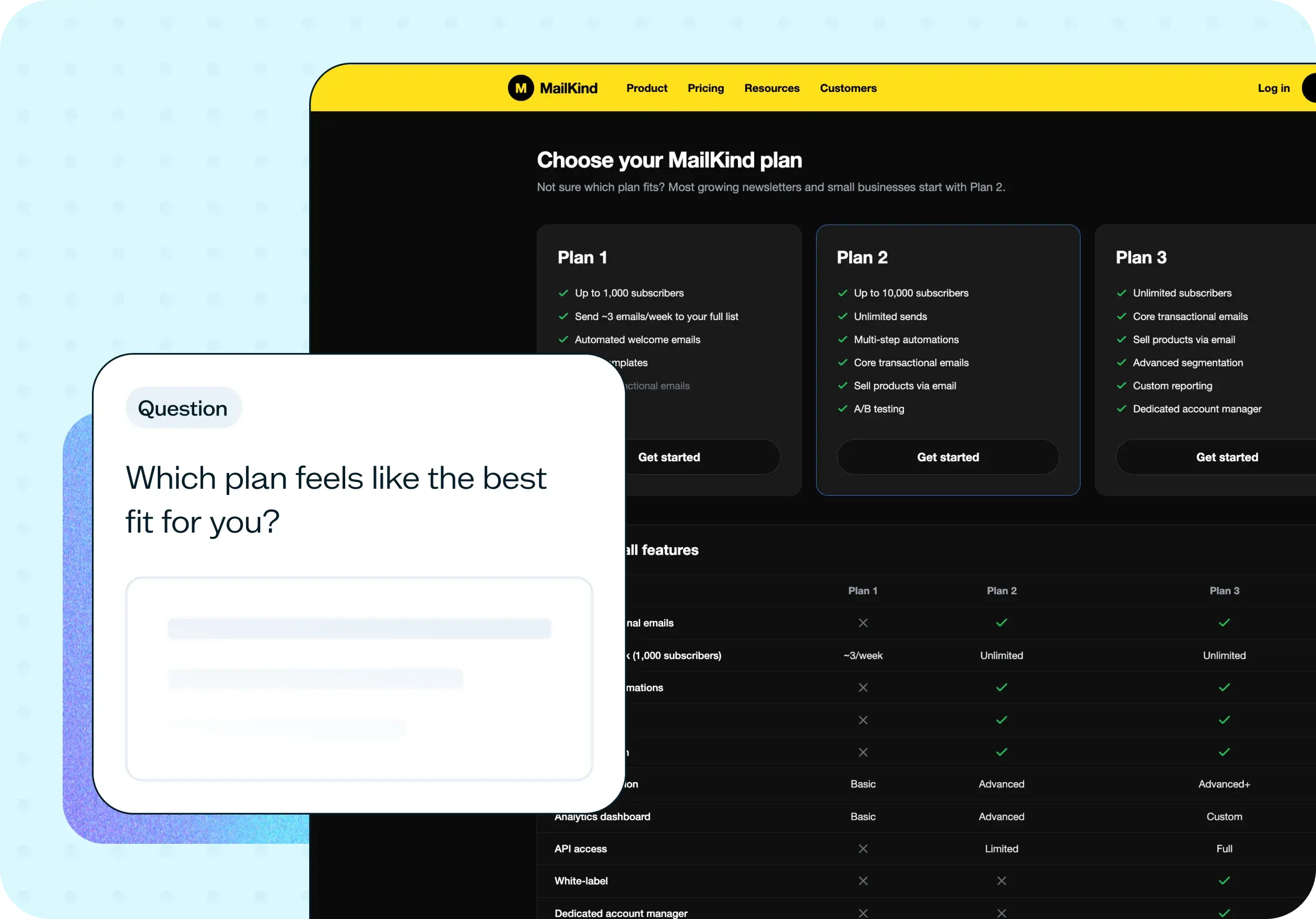
Understanding how users feel about their overall experience helps you gauge whether your site is meeting expectations. This section captures satisfaction ratings and sentiment around specific elements – from content clarity to visual appeal – so you can see where the experience is strong and where it falls short.
Usability challenges
Even well-designed websites can have hidden friction points. This section identifies where users encounter difficulty, whether that's finding information, completing tasks, or navigating between sections. You'll learn which steps feel confusing and where users get stuck – the kind of detail that analytics alone can't surface.
Improvement opportunities
Users often have a clear sense of what would make their experience better. This section captures what they'd change, what's missing, and what features or improvements they expect – giving you a prioritized list of opportunities straight from the people who use your site.
How to use this template
This survey template is ready to use out of the box – you can launch it as-is or customize it to focus on the areas that matter most to your team:
Click "Use this template" and log in to your Lyssna account. Don't have an account yet? Start exploring with a free plan.
Review the four survey sections – navigation and usability, visual design, performance, and overall satisfaction – and adjust the questions to match your website and research goals.
Decide how you'll recruit participants. You can share the survey link with your own users or recruit from the Lyssna research panel to get feedback from people who match your target audience.
Preview your survey to check the flow, then set it live. Results come in as participants respond, with satisfaction scores, response breakdowns, and open-ended feedback organized by section.
When to use this template
User experience feedback is most valuable when you collect it at the right moment. This template works well in several common scenarios:
After launching a new feature or redesign, when you need to understand whether changes improved the experience or introduced new friction
When you notice rising bounce rates or declining engagement and need to understand what's driving users away
During a UX audit, when you're evaluating overall usability before planning improvements
When establishing a baseline satisfaction score, so you can track changes over time
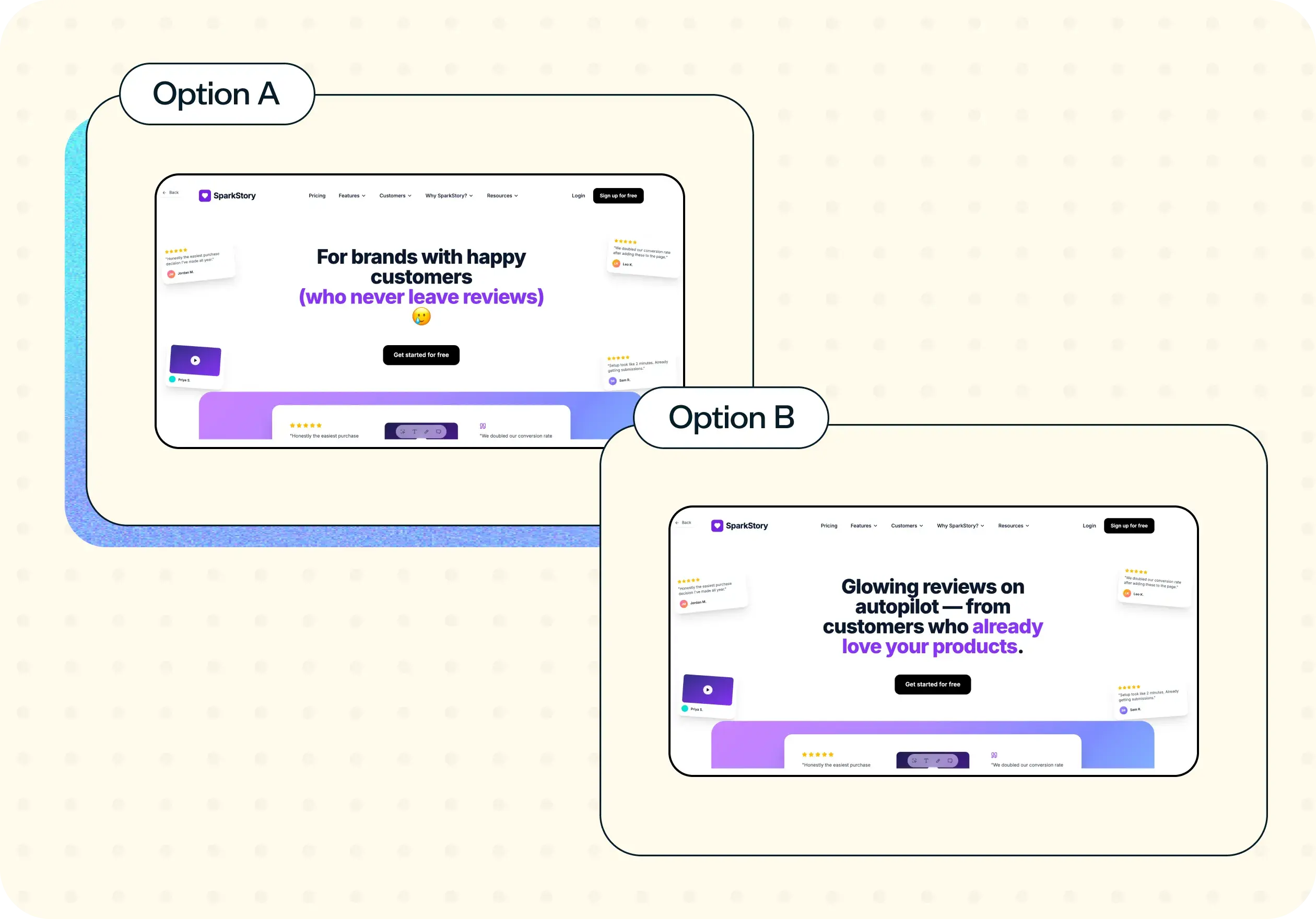
Before a major product decision, when you need user input to validate a direction or prioritize competing options
Example outcomes
Teams that collect structured user experience feedback typically come away with insights they can act on immediately:
A clear picture of which usability issues are causing the most friction – ranked by how many users experience them
Specific feedback on visual design, navigation, and content that helps prioritize where to focus design improvements
Direct user quotes and suggestions that strengthen the case for changes when presenting to stakeholders
Baseline satisfaction scores you can track over time to measure the impact of improvements
A prioritized list of user-requested changes that helps align your roadmap with actual user needs
Who this template is for
This template is designed for anyone responsible for improving how users experience a product or website:
Product managers who need to identify where the experience is breaking down and validate whether recent changes are improving usability
UX researchers collecting structured feedback to complement usability testing or interview findings
Designers who want direct user input on visual design, layout, and content clarity before iterating
Growth teams looking to reduce friction in key user journeys and improve retention
Startup founders using UX feedback as part of product discovery to understand how users perceive the product experience and where to focus limited resources
Whether you're running your first UX feedback study or building a regular cadence of user research, this template gives you a structured starting point.
FAQs about user experience feedback
You may also like these templates
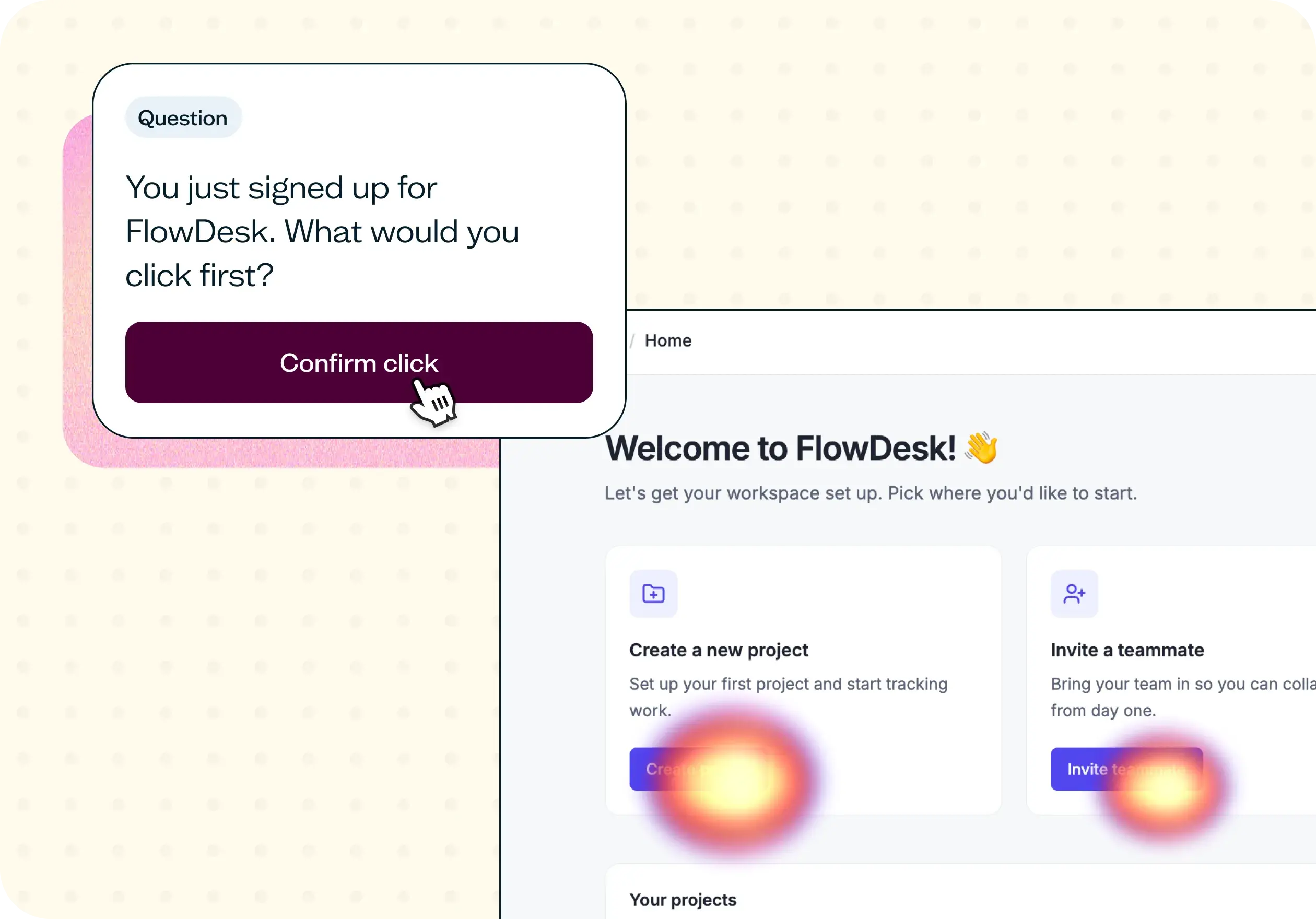

The navigation test is god's gift to UI designers. It probably has the best power-to-simplicity ratio of any software, ever.

Nick Franklin
CEO at ChartMogul