
19 May 2026
|18 min
Recruiting user research participants
Learn effective strategies for recruiting user research participants, including understanding your target audience, recruiting customers and non-customers, and offering incentives.

Every UX researcher knows the feeling: you've planned the perfect study, but recruiting user research participants is where things stall. Maybe you're struggling to find people who fit your criteria, dealing with last-minute cancellations, or trying to coordinate schedules across different time zones. Sound familiar?
Participant recruitment doesn't have to be the most stressful part of your research process. With clear strategies for identifying your target audience, effective screening methods, and smart recruitment tactics, you can build a steady pipeline of quality participants – whether you're running your first study or managing research across multiple teams.
Here's how to transform your recruitment process from chaotic to streamlined.
Key takeaways
Start by defining your research goals, scope, and target audience before you begin recruiting – this determines every decision that follows.
Segment your audience by demographic, behavioral, psychographic, or firmographic criteria to find participants who can give you the most relevant insights.
Use screener surveys to filter participants before your study, not after – this protects the quality of your data.
Recruiting from your existing user base works best for product improvement studies; non-customers are better for fresh perspectives and new market exploration.
Incentives increase response rates, reduce no-shows, and build trust – match the compensation to the time and complexity involved.
Lyssna's research panel gives you access to 690,000+ vetted participants across 124 countries, with tools to check audience availability and recruit for studies on any platform.
Skip the recruitment hassle
Struggling to find the right participants? Access 690,000+ pre-screened users across 124 countries. Try Lyssna free today.
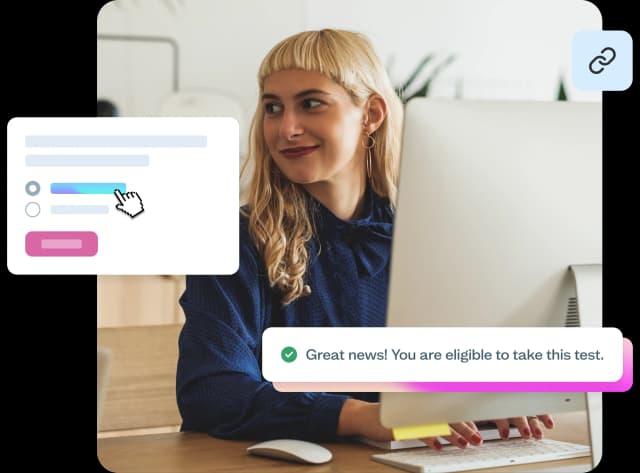
Understanding your target audience
Consider your research goals and methods
Finding the right participants for your user research starts with understanding your research goals. Take a moment to revisit what insights you’re seeking to gain from your study. This will help you identify the specific audience that aligns with your research objectives.
Consider the characteristics, behaviors, or experiences relevant to your study. If you're testing a new mobile app feature, for example, you’ll want participants who are tech-savvy. On the other hand, if you’re exploring the shopping habits of millennials, your focus should be on recruiting participants from that specific age group.
Think also about the specific research approach you’ll be using and how it relates to your audience. Different methodologies may require participants with different backgrounds or expertise.
For example, say you’re conducting remote user interviews to gather insights about the onboarding flow for a new productivity app aimed at freelancers and remote workers. By considering your research method (remote user interviews) and aligning it with your target audience (freelancers, digital nomads, individuals who work remotely on a regular basis), you can focus on recruiting participants from those specific groups.
How many participants do you need?
The number of participants you need depends on the nature of your study and whether you're conducting qualitative or quantitative research.
For qualitative studies, fewer participants are typically needed – but it's important to make sure they meet your specific demographic and behavioral criteria. The Nielsen Norman Group is often referenced here, suggesting that testing with five users can be enough to uncover almost as many usability issues as you'd find with a larger group.
If you need statistically significant results, you'll need a larger sample size. Define the group you want to study, whether it's broad (e.g. smartphone users in the United States) or more specific (e.g. smartphone users in California aged 20–30 who are employed full-time). For quantitative studies, we recommend testing with around 20–30 users to achieve statistically significant results, though you might need to increase this for a survey.

Decide on the scope of your research
To find the ideal participants, it helps to pinpoint the exact problem you're trying to solve and decide which user demographics you want to explore. This clarity will help you narrow down your participant requirements.
Let's say you’re looking to improve the user experience of a mobile banking app. You want to recruit participants who are regular users of the app and represent a diverse range of demographics – an approach commonly used in effective mobile app usability testing.
To determine the scope of your research, you might specify that you're focusing on functionality related to transferring funds between accounts, accessing transaction history, and setting up recurring payments. You're particularly interested in understanding how different age groups (such as millennials, Gen X, and baby boomers) interact with these features and any pain points they encounter.
By clearly defining the scope of your research, you can target your recruitment efforts on existing app users who fit these criteria – ensuring participants are relevant to your study and can provide valuable insights.
Analyze existing user data
Existing data could include demographic information, user behavior patterns, feedback from sales and customer support channels, and customer reviews. Analyzing this data can shed light on your users' preferences, behaviors, and needs.
Start by looking at demographic information: age, gender, location, and any other relevant data points that paint a picture of who your users are. Then explore how users interact with your product or service — which features they engage with most, and any usage patterns that emerge. Analyze comments, suggestions, and pain points shared via customer support or reviews. This qualitative data can provide rich context and uncover insights about experiences and frustrations.
As you sift through this data, keep an eye out for highly engaged user segments or those with unique needs. These could be valuable groups to prioritize in your recruitment.
Consider task complexity and tooling
What tasks or activities are you asking participants to perform? If your study involves complex tasks or specialized skills, recruit participants who have the necessary expertise. For example, asking participants to create an investment portfolio using financial management software will require an understanding of financial concepts and investment strategies.
Think also about the tools or technologies participants will need to engage with – specific devices, software, or platforms – and make sure your participants have access to and are comfortable using them.

Check the competition
By studying your competitors, you can gain valuable knowledge about their target audience and discover opportunities for participant recruitment.
Observe how your competitors interact with their users and the strategies they use to capture attention. Explore their websites, social media channels, and any available market research. Pay attention to the specific user segments they cater to and the unique value they offer.
As you investigate, keep an eye out for any underserved niches in the market – areas where competitors may be missing out on or not fully meeting the needs of certain user groups. Exploring a competitive analysis example can provide practical context for identifying opportunities in your own recruitment strategy.
Segment your target audience
Segmenting your target audience lets you hone in on specific groups based on factors like age, gender, location, occupation, lifestyle, or expertise level — so you can tailor your research and unlock more relevant insights from each group.
Here are the main ways you can segment your audience and when each approach works best:
Segmentation type | Examples | When to use | Research applications |
|---|---|---|---|
Demographic | Age, gender, location, income | Broad market research | Design surveys, preference tests |
Behavioral | Usage frequency, feature adoption | Product optimization | Usability testing, interviews |
Psychographic | Values, lifestyle, motivations | Brand positioning | User interviews, diary studies |
Firmographic (B2B) | Company size, industry, role | B2B product research | Interviews, workflow testing |
Geographic | Region, timezone, urban/rural | Location-specific features | Field studies, cultural research |
To put this into practice, imagine you're working on a fitness app. You might segment your users into:
Fitness enthusiasts: People who are highly dedicated to fitness – gym-goers, athletes, and those always looking for new ways to challenge themselves. Understanding this segment helps you tailor research to advanced workout features, progress tracking, and wearable device integration.
Beginners and casual exercisers: Those who are new to fitness or have a more relaxed approach to exercise. They might be looking for gentle routines, guidance on getting started, or motivation to stay consistent. Focusing on this segment uncovers barriers to entry and preferred features for regular engagement.
Busy professionals: People with hectic schedules who value efficiency and convenience. Understanding their needs can help you design time-efficient workouts, flexible scheduling, and motivation tailored to their lifestyles.
Seniors or individuals with specific health conditions: Those who may have unique requirements due to age or health. They may be seeking low-impact exercises, modifications, or personalized guidance – and addressing their needs creates a more inclusive experience.
Tap into your existing user base
By reaching out to your existing user base, you can gather valuable information about their needs, preferences, and pain points. This could include setting up interviews or sending out surveys. Ask them about their experiences with your product or service, what they love about it, and areas where they think it could be improved.
And don't stop there – as you gather new insights, reassess your definition of your target audience. Are there user groups you may have overlooked? Emerging trends or evolving preferences to consider?
Staying connected with your user community keeps you in tune with their ever-changing needs. It's through this ongoing dialogue that you'll continue to refine your understanding of your target audience and deliver an experience that keeps them engaged.

Strategies for recruiting user research participants
Recruiting the right participants is crucial to gathering valuable insights and ensuring the success of your studies. Now that you've got a good idea of who your target audience is, let's explore effective strategies for screening and recruiting your participants.
Before diving into the specifics, it helps to understand how different recruitment methods compare. Each has its own strengths and is better suited to certain types of studies:
Recruitment method | Best for | Timeline | Participant quality |
|---|---|---|---|
Research panels | Quick turnaround studies | Hours to days | Pre-screened, reliable |
Email to existing customers | Product improvement studies | 1–2 weeks | High product familiarity |
Social media outreach | Broad audience research | 1–3 weeks | Variable, requires screening |
Professional networks | B2B or specialized roles | 2–4 weeks | High expertise level |
Referral programs | Expanding participant pool | 2–3 weeks | Trusted recommendations |
Screening user research participants
Screener surveys help ensure that participants align with your research objectives and have the characteristics you're looking for – filtering out those who don't meet your criteria before the study begins.
The goal of a screener is to find the right people and filter out those who don't fit. In unmoderated research, screeners are often integrated into the platforms or survey tools used for data collection. They help ensure the data you collect is relevant to your research goals.
For more tips on screener surveys, check out our video below.
Recruiting your own customers
There are two main reasons to recruit from your existing customer base:
Updating an existing product: If you're enhancing your product with new features or improvements, existing customers are ideal. They know your product inside out, and their insights are particularly valuable when understanding how changes will impact their experience.
Testing with product experts: Some studies require in-depth experience with your product — for instance, when testing advanced features that only power users know how to use. Recruiting from your customer base ensures you're getting feedback from people who have the relevant know-how.
So, how do you recruit from your existing user base? A few effective approaches:
Reach out via email: Send a friendly message letting your customers know about the research opportunity. Make it personal, show them you value their input, and explain how their participation will help shape the future of your product.
Post a request on your website and social media channels: Share a post letting customers know about the research opportunity — be clear, concise, and create enough interest to make them curious to get involved.
Enlist your sales and CX teams: Account managers and customer support teams have direct contact with your user base. Encouraging them to reach out personally adds a thoughtful touch and shows you genuinely value participants' voices.
One thing to keep in mind: don't overwhelm your customers with frequent requests. Be mindful of their time, and consider offering incentives like gift cards, account credits, or early access to new features. For a deeper look at how to structure incentives effectively, this guide is worth a read.
Recruiting non-customers
Recruiting non-customers opens up a new realm of possibilities for your research:
Fresh perspectives: Non-customers bring unique viewpoints you might not get from your existing user base – a broader understanding of user needs and preferences.
Testing with the unfamiliar: When developing new features or products, feedback from people who are unfamiliar with your offering can be especially valuable. Non-customers can identify areas for improvement and uncover new opportunities without preconceptions.
Exploring new customer groups: Recruiting non-customers lets you explore untapped segments — gaining insights into the needs, preferences, and behaviors of potential users that can guide product development and marketing strategy.
Understanding your competitors’ customers: Non-customers who use competitor products can give you a competitive edge. Understanding their pain points and preferences helps you identify gaps in the market.
To ensure a comprehensive understanding of your target audience, it’s beneficial to test with both customers and non-customers – to read about how this works in practice, check out our YNAB case study. By gathering diverse insights, you can tailor your design decisions to meet the needs of various user groups.
Here are some effective strategies for reaching non-customers:
Online communities and forums: Explore communities, forums, and social media platforms relevant to your target audience. Engage with these communities, share your research objectives, and invite participants to take part – so long as it adheres to community guidelines.
User research panels. Research panels connect researchers with participants from diverse backgrounds who have been screened and are willing to participate in studies. By using a panel, you can recruit non-customers who have expressed interest in sharing their opinions and experiences.
Targeted advertising. Use targeted online advertising to reach specific demographics or user groups. Platforms like Google Ads and social media advertising let you define your audience based on age, location, interests, and more.
Referral programs. Encourage your existing customers to refer non-customers. Word-of-mouth is a powerful tool – people are more likely to trust recommendations from their peers.

User research participants incentives
Compensating your participants goes a long way in making sure they feel appreciated and motivated. Here's why incentives matter:
Boost response rates: By showing participants you value their time and feedback, incentives increase the likelihood of active participation.
Reduce no-shows: Incentives motivate participants to honor their commitment and show up — minimizing cancellations and ensuring reliable data collection.
Build trust: Offering incentives demonstrates your commitment to participants and acknowledges their contributions, creating a positive research environment.
Ensure equity: Compensating participants for their time recognizes the value of their contributions and establishes a mutually beneficial relationship.
When deciding what to offer, consider the tasks and time involved, the participation format (in-person or remote), and the expertise required. Be transparent about how and when incentives will be distributed, and aim to deliver them promptly after each session. If you're looking for guidance on administering and tracking compensation, the ReOps Tools Census includes information on popular tools.
For international participants, explore options for handling payments across different countries — platforms like Tremendous offer multi-country gift card support.
As a general guide for incentive amounts:
Study type | Duration | Suggested incentive range | Popular options |
|---|---|---|---|
Quick survey | 5–10 minutes | $5–15 | Gift cards, account credits |
Usability test | 10–15 minutes | $10–25 | Cash, gift cards |
User interview | 45–90 minutes | $50–150 | Cash, charitable donations |
Diary study | 1–2 weeks | $100–300 | Cash, premium gift cards |
Focus group | 60–120 minutes | $75–200 | Cash, early access features |
Finally, express genuine gratitude to each participant individually. Personalize your thank-you messages and acknowledge their specific contributions. If applicable, offer opportunities to provide feedback or participate in future studies – nurturing a long-term relationship and demonstrating your commitment to ongoing user involvement.
Cash
Cash provides flexibility for participants to use the reward as they see fit. Keep in mind any tax implications, and consider whether restrictions apply for certain individuals, such as government employees.
This session we held with Tremendous covers how to select incentives that truly appeal to your research participants.
This webinar we co-hosted with Tremendous explores what participants expect to be paid, considering factors like study design and incentive type.
Gift cards
Gift cards from popular retailers or online platforms let participants choose something that suits their preferences – versatile and widely appreciated.
Charitable donations
Allowing participants to select a charity for a donation in their name adds a meaningful, socially conscious element to the incentive.
Account credits or discounts
If you have budget constraints, account credits or discounts for your product or service can still be a valuable and appealing offer.
Swag
Branded merchandise like t-shirts, stickers, or gadgets creates a sense of belonging and serves as a tangible reminder of participation.
Early access to features
Giving participants exclusive access to upcoming features or beta versions can be particularly attractive to early adopters or product enthusiasts.

How Lyssna can help with recruiting user research participants
At Lyssna, we have a few ways to help streamline your participant recruitment process.
Our research panel gives you access to 690,000+ participants from 124 countries, with 395+ demographics or attributes to target – whether you're running unmoderated studies or moderated interviews. Before you start building your study, you can use the Lyssna Panel page in the test builder to check whether your target audience exists in the panel and get a fulfilment estimate, so you know what's feasible before you invest time in your setup. Panelists are screened, and we have a dedicated team to review your data and make sure it meets our standards. Responses are typically provided within a few hours, although you'll often see them within just a few minutes.
If you’re curious to see how much it costs to recruit participants for your study, check out our research panel calculator.
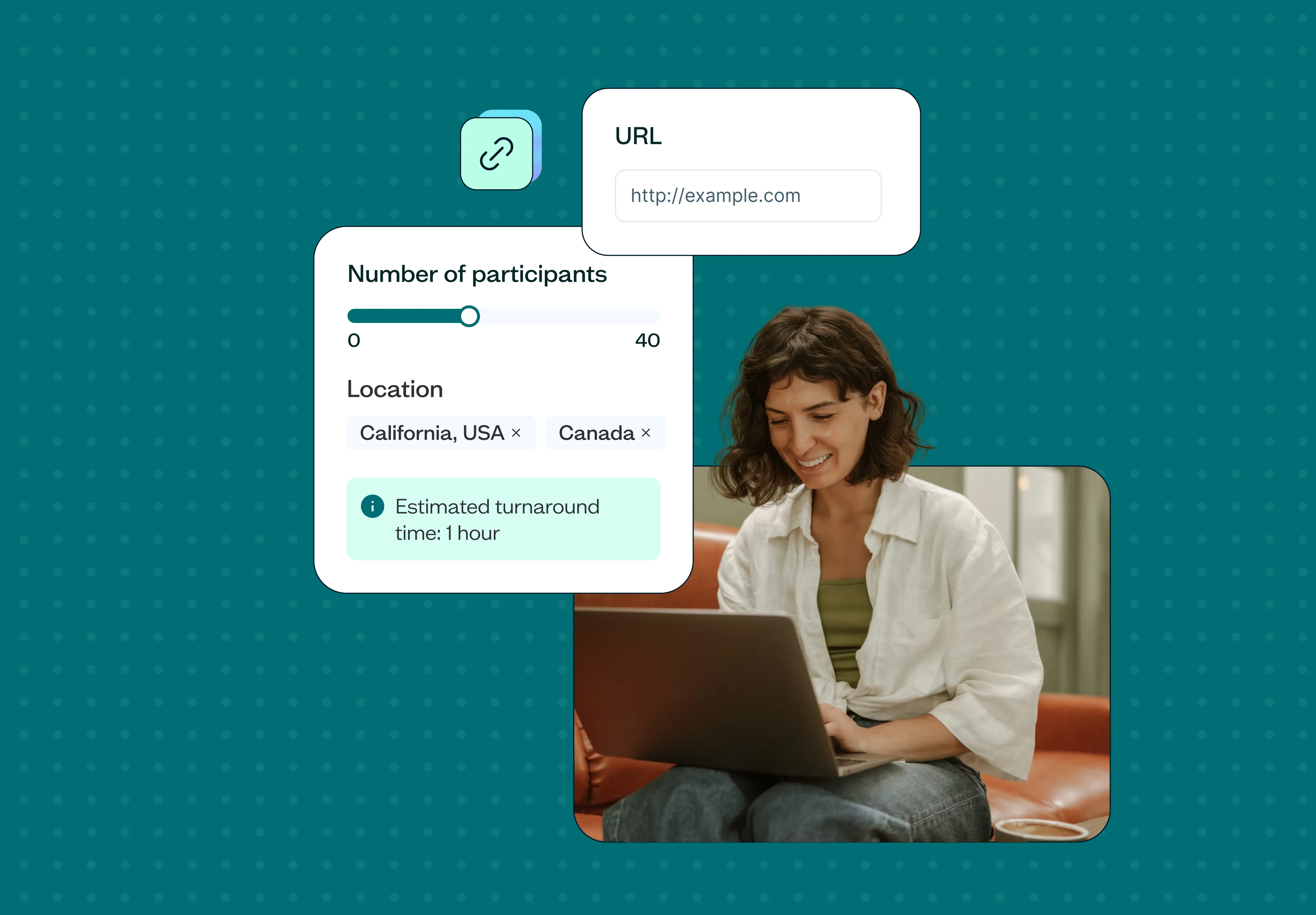
And if your research is hosted on another platform, we can still help with recruitment. Using Third-party studies, you can share a link to your study – whether it's in Maze, Typeform, Qualtrics, Google Forms, or elsewhere – and Lyssna will recruit vetted participants from our panel on your behalf. Set your demographic criteria, add a screener if needed, and responses typically start in under an hour.
Start recruiting smarter
Ready to streamline your participant recruitment? Get instant access to our research panel and built-in tools. Start free.

FAQs about recruiting user research participants


Diane Leyman
Senior Content Marketing Manager
Diane Leyman is the Senior Content Marketing Manager at Lyssna. She brings extensive experience in content strategy and management within the SaaS industry, along with editorial and content roles in publishing and the not-for-profit sector

You may also like these articles




Try for free today
Join over 320,000+ marketers, designers, researchers, and product leaders who use Lyssna to make data-driven decisions.
No credit card required