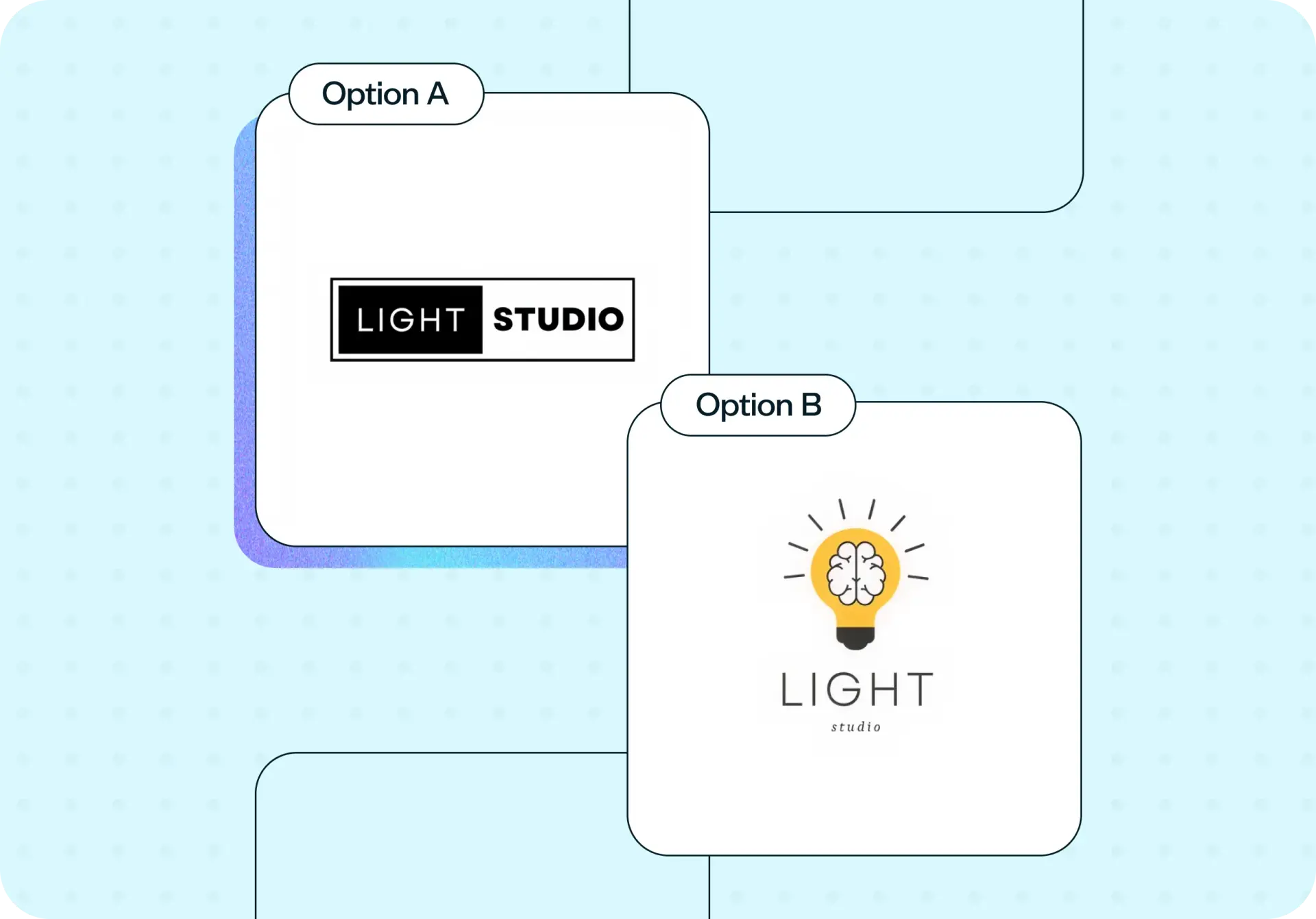

A new logo is often the most visible decision a company makes, yet most teams finalize their direction without ever testing it with the audience who will actually see it. Logo testing is the process of evaluating how real users recognize, recall, and interpret a brand mark before it goes to market.
This template combines preference testing, first impressions, and follow-up questions so you can validate logo and brand appeal with your target audience and move forward with evidence, not assumptions.
Why internal sign-off isn't audience validation
Design teams spend weeks refining a logo, then present two or three directions to stakeholders in a conference room. But the people in that room are judging the work with their own taste, not the audience's. It's the same as picking a paint color: whoever's most senior, or loudest, tends to win.
That's a problem, because a logo that feels fresh to your design team can look generic or off-brand to the customers who actually need to recognize it. Focus groups don't fully solve this either – they tend to amplify whoever talks most in the room. And an informal LinkedIn poll tells you what's novel, not what people will actually recognize and trust over time.
Logo testing gives you a way around this: show your options to real people from your target audience, see how they react, and use that to make the call – with evidence you can bring back to stakeholders instead of just an opinion.

What this template helps you discover
This template gives you a structured read on how your audience responds to your logo and brand direction. It helps you uncover:
Whether your audience can recognize and recall your brand from the logo alone
Which logo direction earns the strongest positive sentiment across different audience segments
How specific personality attributes (modern, trustworthy, premium, playful) map to each option
Which variants feel on-category for your market and which could belong to any industry
Where a rebrand risks breaking recognition with existing customers
What you'll test
Logo testing goes beyond asking people which option they prefer. This template is structured around three dimensions that together give you a complete picture of how each direction performs with real users.
Recognition and recall
Recognition measures whether users can correctly identify or match your brand from the logo alone. Recall goes a step further, testing whether participants remember the mark after a short distraction task. Together, these tell you whether a logo direction is distinctive enough to stick, or whether it blends into the visual noise of your category.
Sentiment and personality
Every logo triggers associations, whether you intend them or not. This part of the test surfaces which attributes each direction evokes (modern, trustworthy, premium, playful, generic) and where those associations align with your creative brief. It also reveals where sentiment drifts from what you intended, giving your design team specific direction on what to adjust.
Category fit
A strong logo doesn't just look good in isolation. It needs to signal that your company belongs in a specific market. Category fit testing reveals whether each direction reads as part of your industry or whether it could sit in any sector. It also surfaces which competitors users associate with each option, helping you determine whether that similarity is a strategic advantage or a risk.
How to use this template
Choose your template and customize your study. Click "Use this template" and log in to your Lyssna account (or sign up for a free plan). Adjust the preference test questions and follow-up prompts to match your specific logo directions and the attributes from your creative brief.
Upload your logo options. Add each logo direction as a separate option in the preference test. Include variations you want to compare, whether that's different color treatments, typography changes, or entirely distinct creative directions.
Define your target audience and recruit participants. Use Lyssna's research panel to recruit participants who match your target customer profile, or share the test link with your own audience. Aim for 100 or more participants per segment to get reliable sentiment and recognition patterns.
Launch your test and collect responses. Set your test live and let participants respond at their own pace. Most unmoderated tests return results within hours, so you won't be waiting long for data to start coming in.
Analyze your results and build your recommendation. Review preference breakdowns, sentiment scores, and open-ended feedback across each logo direction. Look for patterns in how different segments respond, then use the data to build a defensible recommendation for stakeholders.
When to use this template
Before greenlighting a rebrand or identity refresh, when stakeholders need a shared read on which direction resonates with the audience
When shortlisting between two or three creative directions from a design studio, and you need data to narrow the field
When entering a new market or segment and you want to confirm your visual identity reads correctly in that category
When audience research is thin and you need a fast, structured way to gauge how your brand is perceived
When validating a sub-brand, product mark, or regional variant that needs to work alongside your existing identity
Before a major paid campaign that will anchor the mark in-market, and you want confidence that the logo lands as intended
Example outcomes
A ranked shortlist of logo directions backed by audience data, not just internal taste
Clear attribute profiles for each option showing exactly how each direction maps to your creative brief
Evidence of whether a rebrand preserves or breaks recognition with your existing customer base
A rollout recommendation with segment-level insights, so you know how different audience groups respond to each direction
A single source of truth that replaces subjective debate with structured data
Who this template is for
Brand and marketing leads validating a rebrand or identity refresh before committing budget to rollout
Design leads pressure-testing creative directions against the actual target audience, not just internal stakeholders
Founders de-risking a new mark before go-to-market, especially when there's no existing brand equity to fall back on
In-house creative teams choosing between competing directions when internal opinions are split
Agencies presenting recommendations to clients with audience evidence attached, making the case easier to defend
FAQs about how to evaluate logo and brand appeal
You may also like these templates
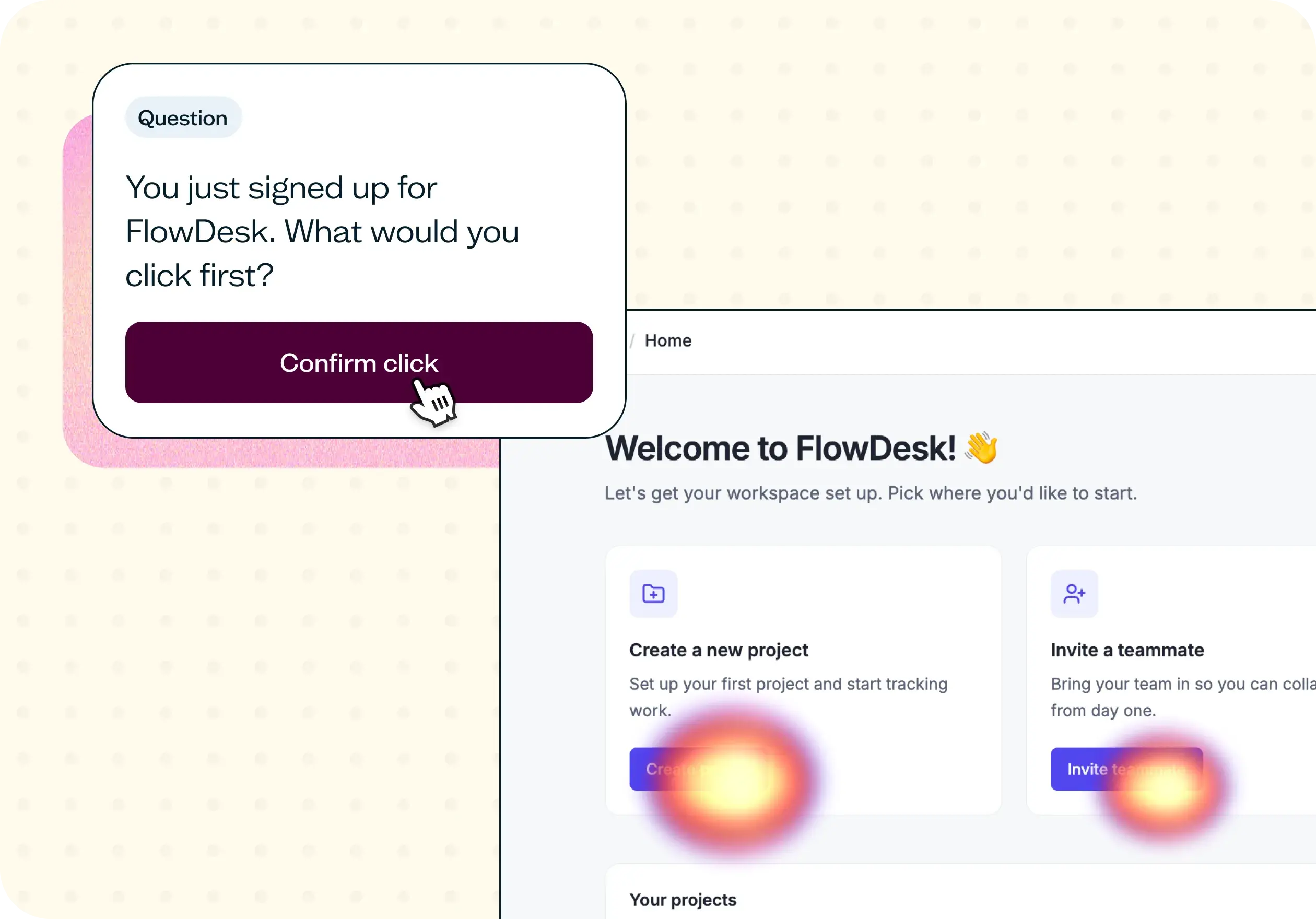

The navigation test is god's gift to UI designers. It probably has the best power-to-simplicity ratio of any software, ever.

Nick Franklin
CEO at ChartMogul